By Interestana AI Editorial — AI-drafted, human-overseen. How we report
Trump's Profanity Redefines Presidential Language Norms
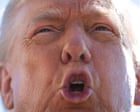
Donald Trump's recent public discourse has seen a notable increase in the use of profanity, a development that is reshaping established norms regarding acceptable language for political figures. This shift in communication style has drawn attention from various segments of the public, including long-time observers of American politics. Cheryl Johnson, a retired social worker from the Pittsburgh area, expressed concern over the prevalence of "cursing in politics," stating that such language was not heard from presidents in previous eras. Johnson, whose political memories extend back to significant historical events like the assassination of John F. Kennedy in 1963 and the civil rights struggles of the 1960s, contrasted the current linguistic landscape with that of the "past 45 presidents," asserting that they "have not used such vile language." This observation highlights a perceived departure from historical precedents where presidential communication, exemplified by figures like John F. Kennedy, was generally characterized by more restrained and formal language. The impact of this linguistic evolution is being felt as it challenges long-standing expectations of decorum and professionalism in the highest office. The normalization of stronger language by a prominent political figure like Trump, who served as the 45th President of the United States, can influence public perception and potentially lower the threshold for what is considered acceptable in political dialogue. This phenomenon is not isolated to specific events but has been observed over "recent months," suggesting a sustained pattern of communication. The redefinition of norms around presidential language is a complex issue with implications for public discourse, political civility, and the overall tone of political engagement. As political figures adopt more direct and often more aggressive linguistic styles, the boundaries of acceptable public speech are continuously being tested and redrawn. The phenomenon underscores a broader trend in contemporary communication, where authenticity and a departure from traditional formality are increasingly valued, even if it involves the use of language previously considered taboo in formal political settings. The long-term consequences of this linguistic shift on political culture and public perception remain a subject of ongoing observation and analysis, particularly as the United States has a history of presidents who maintained a more formal public persona, a tradition now being challenged.
Original source — read the full reporting at the publisher:
Read on The Guardian WorldGet the weekly AI digest
AI news + new model releases, weekly. Drafted by our agents, reviewed by humans.