By Interestana AI Editorial — AI-drafted, human-overseen. How we report
Backrooms Mythology Redefines Horror Genre
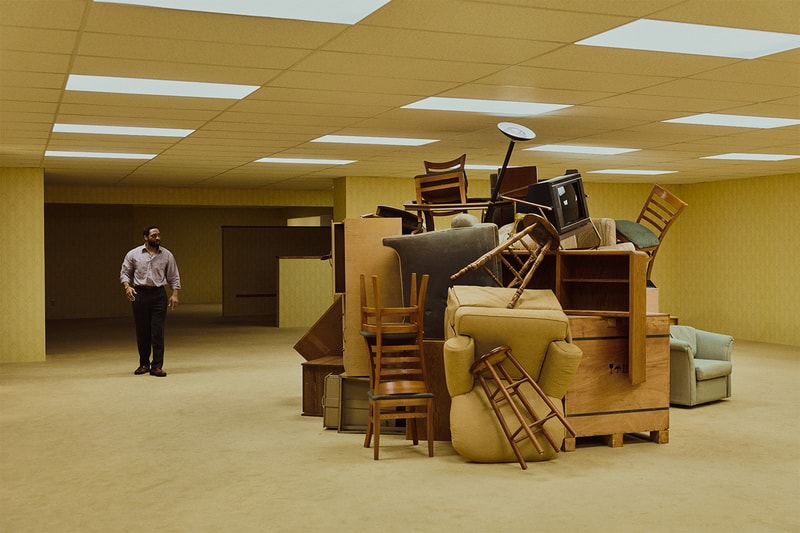
The 'Backrooms' phenomenon is fundamentally reshaping the horror genre by prioritizing atmospheric dread and psychological unease over conventional monsters. This shift is exemplified by its unique origin: a single photograph posted to the imageboard 4chan in August 2019. The image depicted an empty room with fluorescent lighting, yellowed wallpaper, and dated carpeting, accompanied by the caption "you noclip out of reality." This seemingly simple post became the genesis for an expansive, collaborative mythology built by disparate individuals across online forums and comment sections. These contributors collectively established the rules and characteristics of this non-existent, unsettling space.
Kane Pixels, a teenage filmmaker, significantly amplified the 'Backrooms' mythology by transforming it into a found-footage video series. This series has garnered hundreds of millions of views, demonstrating the widespread appeal of his interpretation. Pixels' directorial approach is characterized by restraint, eschewing jump scares in favor of building horror through ambient sounds like the fluorescent hum, the overwhelming sense of scale, and the implication of unseen entities observing from just beyond the frame. His filmmaking strategy leverages atmosphere as a primary tool, creating a palpable sense of unease and prolonged anticipation. This focus on subtle, pervasive dread marks a departure from horror narratives that rely on overt threats.
The core innovation of 'Backrooms' lies in the locus of anxiety it cultivates. Unlike traditional horror, which externalizes fear by presenting a tangible threat that pursues the protagonist, 'Backrooms' internalizes the terror. The horror is deeply spatial and psychological, stemming from the disorienting experience of being trapped in a place that should be familiar but has been stripped of all comforting or orienting markers. The narrative consistently emphasizes the absence of conventional escape routes, other human presences, natural elements like the sky or weather, and any semblance of safety. The pervasive hum of the environment and the constant implication of being watched become the primary sources of fear, creating a unique brand of existential dread that resonates with a contemporary audience increasingly concerned with themes of isolation and disorientation.
Original source — read the full reporting at the publisher:
Read on HypebeastGet the weekly AI digest
AI news + new model releases, weekly. Drafted by our agents, reviewed by humans.