By Interestana AI Editorial — AI-drafted, human-overseen. How we report
Responsible Foraging Can Boost Conservation, Ecologists Suggest
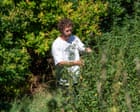
Angus Morton, a regenerative gardener, demonstrates responsible foraging by collecting stinging nettles from a London park for his weekly meals. Morton utilizes the nettles in various dishes, including pesto and tea, highlighting their versatility and abundance. This practice, while raising concerns about potential habitat pressure from increased harvesting, is viewed by some ecologists as a method that can actually bolster conservation and biodiversity. These experts suggest that when conducted responsibly, foraging can contribute positively to ecological health.
The practice of foraging, which involves gathering wild food resources, has a long history and is experiencing a resurgence. Proponents argue that it fosters a deeper connection with nature and provides a sustainable source of food, potentially reducing reliance on commercially produced goods. This can lead to cost savings for individuals and a decreased environmental footprint associated with large-scale agriculture, such as reduced transportation emissions and land use. However, the ecological implications of widespread foraging are a subject of ongoing discussion. Critics express apprehension that increased human activity in natural areas could lead to the overexploitation of certain plant and animal species, disrupting delicate ecosystems and potentially threatening rare or endangered species. They emphasize the importance of understanding local flora and fauna to avoid detrimental impacts.
Ecologists who advocate for responsible foraging emphasize the need for knowledge and ethical practices. This includes understanding which species are abundant and resilient, knowing the appropriate times and methods for harvesting to ensure regeneration, and respecting local regulations and private property. By adhering to these principles, foragers can minimize their impact on the environment. Furthermore, some ecologists propose that active foraging can even contribute to conservation goals. For instance, by selectively harvesting invasive plant species, foragers can help native flora to thrive. Additionally, increased human presence and awareness in natural areas, driven by foraging activities, can lead to greater vigilance against illegal activities like poaching or habitat destruction. This heightened observation can indirectly support conservation efforts by acting as a form of community stewardship.
The debate surrounding foraging underscores a broader conversation about human interaction with natural resources. While the potential for negative impacts exists, particularly with unregulated or uninformed harvesting, the perspective that responsible foraging can be a force for good is gaining traction. This viewpoint suggests that by educating individuals on sustainable practices and promoting a mindful approach to gathering wild foods, foraging can be integrated into a conservation-conscious lifestyle. The key lies in balancing the benefits of accessing natural food sources with the imperative to protect ecological integrity and biodiversity for future generations. The responsible forager, therefore, becomes an informed participant in the ecosystem, contributing to its health rather than detracting from it.
Original source — read the full reporting at the publisher:
Read on The Guardian EnvironmentGet the weekly AI digest
AI news + new model releases, weekly. Drafted by our agents, reviewed by humans.