By Interestana AI Editorial — AI-drafted, human-overseen. How we report
Automation Caused Economic Hardship; AI Can Differ
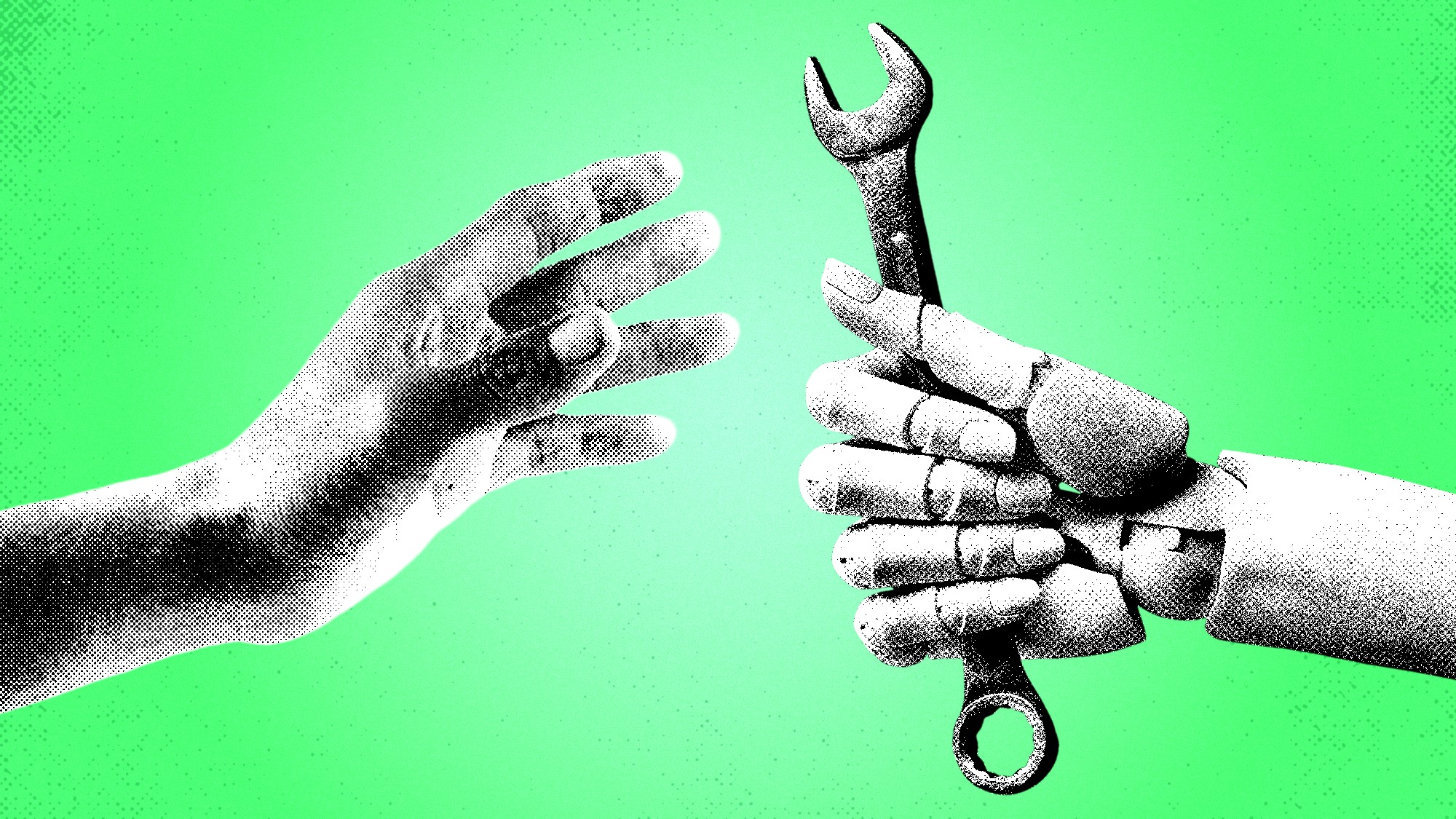
Automation, driven by technological advancements, has historically led to significant economic hardship for workers, a pattern that artificial intelligence (AI) does not have to replicate. The introduction of automation in various industries, from manufacturing to clerical work, has often resulted in job displacement, wage stagnation, and increased income inequality. This historical context underscores the critical importance of designing and implementing AI in a manner that benefits, rather than harms, the human workforce. The core challenge lies in ensuring that AI's integration into the economy is managed thoughtfully, with a focus on augmenting human capabilities rather than simply replacing them.
Past waves of automation, such as the mechanization of agriculture and the rise of assembly lines, demonstrated a clear trend of workers losing their livelihoods to machines. This led to widespread social and economic disruption, with communities struggling to adapt to the changing labor market. The benefits of increased productivity and efficiency were often concentrated among capital owners, while the costs were borne by the working class. This historical precedent serves as a cautionary tale, emphasizing that technological progress, if unchecked, can exacerbate existing societal problems and create new ones. The current discourse around AI must therefore learn from these past mistakes and proactively seek solutions that promote shared prosperity.
AI, with its potential for more sophisticated and widespread application than previous forms of automation, presents both unprecedented opportunities and significant risks. If developed and deployed without careful consideration for its human impact, AI could lead to even greater job losses and economic polarization. However, if guided by principles that prioritize human well-being, AI can be a powerful tool for economic growth that is inclusive and equitable. This requires a concerted effort from policymakers, researchers, businesses, and labor organizations to shape AI's trajectory. The goal should be to foster an environment where AI complements human skills, creates new types of jobs, and improves the quality of work and life for all.
To ensure AI works for workers, several key strategies can be employed. These include investing in education and retraining programs to equip the workforce with the skills needed for an AI-driven economy, developing robust social safety nets to support those displaced by automation, and implementing policies that encourage the creation of AI-powered jobs that are high-quality and well-compensated. Furthermore, fostering a dialogue between AI developers and labor representatives can help ensure that the technology is designed with human needs at its forefront. By learning from the economic misery caused by past automation, society can steer AI towards a future where technological advancement leads to widespread prosperity and improved living standards for everyone.
Original source — read the full reporting at the publisher:
Read on The AtlanticGet the weekly AI digest
AI news + new model releases, weekly. Drafted by our agents, reviewed by humans.