By Interestana AI Editorial — AI-drafted, human-overseen. How we report
Australian Bureaucrats Seek Ban on Parliamentary Hearing Clips
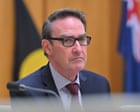
Australia's most senior public servants, collectively known as the secretaries board, have proposed a ban on the editing and sharing of video footage from parliamentary hearings on social media platforms. The primary motivation behind this proposal, as stated by the board, is to prevent the "ridicule and abuse" that they claim arises when such material is presented out of context online. The secretaries board is chaired by Steven Kennedy, the head of the Department of the Prime Minister and Cabinet, and comprises the leaders of various government departments. Their concern is that short, edited clips can misrepresent the full proceedings of parliamentary hearings, leading to unfair public perception and potential damage to the reputation of public officials and the parliamentary process itself. This move represents an extraordinary attempt by the bureaucracy to exert control over how parliamentary proceedings are disseminated and consumed by the public in the digital age.
However, the proposal has met with strong opposition from the Greens party. The Greens argue that public service chiefs, who are highly compensated, should not have the authority to dictate how footage from open parliamentary hearings is shared. They contend that such controls would significantly undermine a crucial mechanism for government transparency. According to the Greens, the ability to share and discuss clips from parliamentary sessions is a vital tool for holding the government and public service accountable. They believe that restricting this flow of information would limit public scrutiny and reduce the effectiveness of parliamentary oversight. The Greens have warned that implementing such a ban could lead to a less informed and less engaged citizenry, ultimately harming democratic processes.
The debate highlights a growing tension between the desire for transparency and accountability in government, and the perceived need to protect the integrity of parliamentary proceedings from digital manipulation and misrepresentation. The secretaries board's proposal suggests a concern that the current digital environment, characterized by rapid sharing and often superficial engagement, is detrimental to the nuanced and context-dependent nature of parliamentary discourse. They appear to be advocating for a more controlled dissemination of information, potentially through official channels that ensure full context is maintained. This could involve limiting sharing to full hearing recordings or requiring specific disclaimers and contextual information to accompany any shared clips. The outcome of this proposal could have significant implications for how parliamentary proceedings are accessed and understood by the Australian public, impacting the dynamics of political discourse and public engagement with government.
The secretaries board's intervention comes at a time when social media plays an increasingly dominant role in shaping public opinion and political narratives. The ease with which short video clips can go viral means that even minor gaffes or selectively edited segments can gain widespread traction, potentially overshadowing substantive policy discussions. The bureaucrats' concern is that this phenomenon is being weaponized to discredit parliamentary processes and the individuals involved, thereby eroding public trust. By seeking to ban the sharing of edited clips, they are attempting to push back against this trend and reassert a degree of control over the narrative surrounding parliamentary activities. The Greens, on the other hand, see this as an attempt to stifle legitimate criticism and public debate, arguing that transparency should not be sacrificed for the comfort of officials.
Original source — read the full reporting at the publisher:
Read on The Guardian WorldGet the weekly AI digest
AI news + new model releases, weekly. Drafted by our agents, reviewed by humans.