By Interestana AI Editorial — AI-drafted, human-overseen. How we report
Indigenous Australian Population Pre-Colonisation Estimated at 2.2 Million
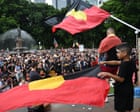
The Indigenous population of Australia prior to European colonisation in 1788 has been significantly underestimated, with new modelling suggesting pre-colonial numbers reached approximately 2.2 million people. This figure contrasts sharply with earlier estimates that placed the Indigenous population at around 250,000. The research, conducted by a national research group, indicates that the impact of diseases and massacres following the arrival of the First Fleet was far more devastating than previously understood, leading to a much greater demographic catastrophe for Aboriginal and Torres Strait Islander peoples. The revised population estimate implies that the scale of loss due to conflict, introduced diseases to which Indigenous populations had no immunity, and displacement was substantially larger than historical accounts or previous demographic studies had suggested. This new understanding necessitates a re-evaluation of the immediate and long-term consequences of colonisation on Indigenous communities across the continent. The research highlights the critical need for more accurate historical demographic data to fully comprehend the extent of the population decline and its societal repercussions. By employing advanced modelling techniques, the researchers aimed to reconstruct a more robust picture of Indigenous demography before the profound societal and environmental shifts brought about by British settlement. The findings underscore the profound and devastating impact of colonisation, suggesting that the pre-contact Indigenous societies were more populous and complex than often portrayed in historical narratives. This revised population figure provides a starker baseline against which the subsequent population decline can be measured, emphasizing the severity of the losses experienced by Indigenous Australians in the centuries following 1788. The study's methodology likely involved analysing available archaeological evidence, ecological carrying capacities, and comparative demographic data from similar pre-industrial societies, alongside critical re-examination of colonial records. The implications of this research extend to contemporary understandings of Indigenous history, land rights, and reconciliation efforts, providing a more accurate foundation for acknowledging the true scale of historical injustices. The researchers' work aims to contribute to a more complete and accurate historical record, acknowledging the resilience and scale of Indigenous societies that existed before colonisation. This updated demographic perspective is crucial for understanding the depth of the cultural and social disruption caused by the colonial enterprise and its enduring legacy. The modelling suggests that the pre-colonial population was not only larger but also likely supported by diverse and sustainable land management practices across varied Australian environments, indicating a sophisticated societal structure that was profoundly disrupted.
Original source — read the full reporting at the publisher:
Read on The Guardian WorldGet the weekly AI digest
AI news + new model releases, weekly. Drafted by our agents, reviewed by humans.