By Interestana AI Editorial — AI-drafted, human-overseen. How we report
Australia Regulator Warns GLP-1 Drugs Linked to Rare Eye Disorder
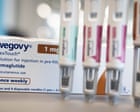
Australia's medicines regulator, the Therapeutic Goods Administration (TGA), has issued warnings for several GLP-1 receptor agonist (GLP-1 RA) medicines, including Ozempic, Wegovy, and Mounjaro, due to their potential to cause a "rare but severe" eye disorder. This condition, known as non-arteritic anterior ischemic optic neuropathy (NAION), can lead to blindness. The TGA's warning was prompted by reports linking these diabetes and weight loss drugs to 36 cases of NAION.
The product information for these medications has been updated to include this new warning. The TGA stated that while the disorder is rare, its potential severity necessitates informing healthcare professionals and patients. The agency is monitoring the situation and will provide further updates as more information becomes available. The GLP-1 RA class of drugs has gained significant popularity for managing type 2 diabetes and promoting weight loss, leading to increased global demand and scrutiny of their side effect profiles.
NAION is a condition that occurs when blood flow to the optic nerve is interrupted, causing damage. Symptoms can include sudden vision loss in one eye, often accompanied by pain. While the exact mechanisms by which GLP-1 RAs might contribute to NAION are still under investigation, the TGA's proactive stance aims to ensure patient safety and informed decision-making regarding treatment. Healthcare providers are advised to consider this potential risk when prescribing these medications and to counsel patients on the signs and symptoms of NAION.
Original source — read the full reporting at the publisher:
Read on The Guardian WorldGet the weekly AI digest
AI news + new model releases, weekly. Drafted by our agents, reviewed by humans.