By Interestana AI Editorial — AI-drafted, human-overseen. How we report
Australian Crew Rescues Patient From Antarctica in Midwinter
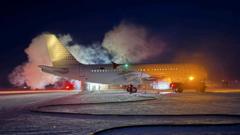
An Australian aviation crew successfully executed a challenging midwinter rescue mission, evacuating a patient from McMurdo Station in Antarctica. The operation took place under conditions of total darkness and extreme cold, with temperatures plummeting to -43°C. The Twin Otter aircraft, operated by the Australian Antarctic Division (AAD), landed at the remote station to facilitate the critical medical evacuation. This mission highlights the significant logistical and operational complexities involved in supporting scientific research and personnel in polar environments during their harshest seasons.
The AAD is responsible for managing Australia's Antarctic program, which includes operating research stations and providing logistical support for scientific endeavors on the continent. The Twin Otter aircraft are essential for inter-station transport and medical evacuations, particularly when conventional airfields are inaccessible or conditions are too severe for standard operations. The successful completion of this rescue underscores the advanced capabilities and dedication of the AAD's flight crews and ground support personnel. These operations are vital for ensuring the safety and well-being of individuals stationed in Antarctica, where medical emergencies can be particularly difficult to manage due to the isolation and extreme climate.
McMurdo Station is the largest base in Antarctica, operated by the United States. It serves as a hub for scientific research and logistical support for U.S. Antarctic Program activities. The station's location and operational demands mean that medical emergencies require robust and often unconventional response strategies. The midwinter period in Antarctica, typically from May to August, presents unique challenges, including extended periods of darkness, severe cold, and high winds, which can ground flights for days or weeks. The ability to conduct a medical evacuation during this time is a testament to the specialized training and equipment employed by the Australian team.
The AAD's commitment to supporting personnel in Antarctica extends beyond scientific research. It encompasses a comprehensive approach to safety and welfare, recognizing the inherent risks associated with living and working in such an extreme environment. The successful rescue mission not only saved a life but also demonstrated the international cooperation and specialized skills required to maintain operations in one of the world's most remote and challenging locations. The precise date of the rescue was not specified in the provided information, but it occurred during the Antarctic midwinter period.
Original source — read the full reporting at the publisher:
Read on BBC World NewsGet the weekly AI digest
AI news + new model releases, weekly. Drafted by our agents, reviewed by humans.