By Interestana AI Editorial — AI-drafted, human-overseen. How we report
Bird Flu Kills Mainland Mammal in Australia
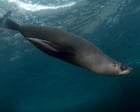
A long-nosed fur seal found dead at Beachport, South Australia, on Wednesday has tested positive for the H5 bird flu virus, marking the first confirmed instance of the disease in a mammal on the Australian mainland. This event represents a significant escalation in the spread of the highly pathogenic avian influenza strain, which has already caused mass mortality events among over 1,000 greater crested terns on offshore islands, as announced by South Australian Premier Peter Malinauskas earlier in the week. The virus has had a devastating global impact, leading to the deaths of millions of birds and successfully crossing over into various mammal species, including elephant seals. Federal government assessments identify long-nosed fur seals and the endangered Australian sea lion as mammal species facing a very high risk from the ongoing H5 bird flu outbreak. The South Australian government also confirmed that a little penguin discovered at Kangaroo Island this week had tested positive for the H5 bird flu virus, further underscoring the expanding reach of the pathogen. The H5N1 strain of avian influenza, commonly known as bird flu, is a highly contagious disease that primarily affects birds but can occasionally infect mammals. Its emergence in mainland Australia's mammal population raises concerns about potential broader ecological impacts and the need for enhanced surveillance and response measures. The virus's ability to jump between species poses a continuous threat, necessitating vigilance from wildlife authorities and the public. The current outbreak's trajectory suggests a need for continued monitoring of both avian and mammalian populations for any signs of infection or unusual mortality. The federal government's risk assessment highlights the vulnerability of specific seal species, indicating a proactive approach to understanding and mitigating potential threats to native wildlife. The confirmation of the virus in a terrestrial mammal on the mainland signifies a new phase in the outbreak's progression within Australia, moving beyond island ecosystems. This development is critical for informing public health strategies and conservation efforts aimed at protecting vulnerable species and preventing further transmission. The broader implications for biodiversity and ecosystem health in Australia are yet to be fully understood, but the confirmed case serves as a stark reminder of the dynamic nature of infectious diseases and their potential to impact wildlife populations.
Original source — read the full reporting at the publisher:
Read on The Guardian WorldGet the weekly AI digest
AI news + new model releases, weekly. Drafted by our agents, reviewed by humans.