By Interestana AI Editorial — AI-drafted, human-overseen. How we report
Australia Slashes Electricity Prices With Home Batteries
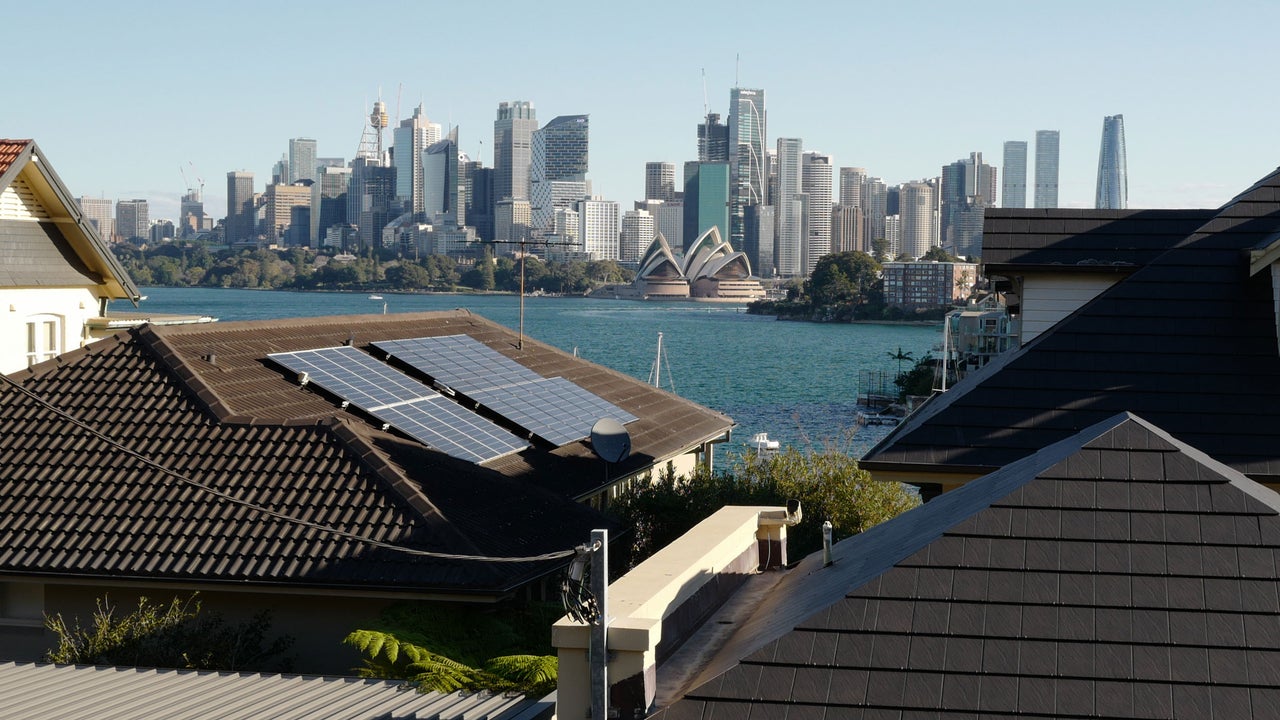
Australia has successfully lowered electricity prices through a distributed energy system centered on rooftop solar and home batteries, a stark contrast to rising costs in the U.S. Over the past 12 months, wholesale electricity prices in Australia have decreased by nearly 50%, and millions of consumers are now eligible for three hours of free electricity daily. This success is largely attributed to a government initiative offering a 30% discount on home batteries, which spurred rapid adoption. In the first three weeks of the program, over 1,000 home batteries were installed daily. Since its launch in July 2025, more than 500,000 home batteries have been installed across the country. These batteries store solar power generated during the day and discharge it during peak evening hours. This stored energy allows utilities to avoid activating expensive gas power plants, thereby reducing overall grid strain and costs. Saul Griffith, co-founder of Rewiring Australia, explained that batteries are ideal for managing the "6 p.m. peak" when household energy demand surges. Griffith, an engineer and entrepreneur with prior experience co-founding Rewiring America, advocated for similar policies in the U.S. and returned to Australia during the pandemic to promote electrification. His advocacy coincided with the Australian government's efforts to replace aging coal power plants. The U.S. faces escalating electricity costs, with residential bills rising at more than double the inflation rate last year. Projections indicate that by 2030, residential electricity prices in some U.S. regions could be up to 40% higher than in 2025, and at least one in three American households struggle with energy bill payments. The Australian model demonstrates how strategic investment in distributed energy resources, specifically home battery storage, can lead to substantial affordability improvements and grid stability. The policy's success highlights the potential for similar approaches to mitigate rising energy costs and enhance energy independence. The widespread adoption of home batteries in Australia is reshaping the economics of the electricity grid by providing a reliable and cost-effective alternative to traditional peak power generation. This shift is crucial for managing grid load and ensuring a more sustainable energy future. The initiative not only benefits consumers through lower bills and free power periods but also contributes to a cleaner energy mix by maximizing the use of solar power and reducing reliance on fossil fuels. The contrast with the U.S. situation underscores the impact of targeted policy interventions in the energy sector. The Australian government's proactive approach has created a tangible positive outcome for its citizens, offering a blueprint for other nations grappling with similar energy challenges. The success of the 30% discount program suggests that financial incentives can be a powerful tool for accelerating the adoption of clean energy technologies and fostering a more resilient and affordable electricity system.
Original source — read the full reporting at the publisher:
Read on Fast CompanyGet the weekly AI digest
AI news + new model releases, weekly. Drafted by our agents, reviewed by humans.