By Interestana AI Editorial — AI-drafted, human-overseen. How we report
Australia Faces Unprecedented Extinction Crisis
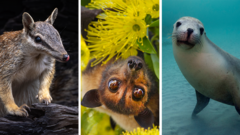
Australia has been identified as the world's foremost extinction hotspot, facing an alarming rate of species loss due to a confluence of environmental pressures. The continent's unique biodiversity, evolved in isolation, is particularly vulnerable to threats such as habitat destruction, invasive species, and climate change. This situation places Australia at the forefront of a global biodiversity crisis, with scientists and conservationists expressing grave concerns about the long-term survival of its native fauna and flora. The scale of the problem is underscored by the sheer number of species at risk, many of which are found nowhere else on Earth. The country's rich array of marsupials, reptiles, birds, and plants, which have developed over millions of years, are now facing an existential threat. Factors contributing to this crisis include widespread land clearing for agriculture and urban development, which fragments habitats and reduces the available resources for wildlife. Invasive species, such as feral cats, foxes, and rabbits, introduced by European settlers, prey on native animals and outcompete them for food and shelter. Furthermore, the impacts of climate change, including more frequent and intense bushfires, prolonged droughts, and rising sea levels, are exacerbating these pressures, pushing many species closer to the brink of extinction. The ecological consequences of these extinctions are far-reaching, potentially disrupting ecosystems and diminishing the natural heritage of the continent. Despite the grim outlook, there are glimmers of hope. Conservation efforts, though often under-resourced, are underway to protect critical habitats and manage threats. Specific initiatives focus on captive breeding programs for critically endangered species, habitat restoration projects, and the control of invasive populations. The success of these efforts, however, is contingent on sustained political will, increased funding, and broader public engagement in conservation. The challenge is immense, requiring a multi-faceted approach that addresses both the immediate threats to species and the underlying drivers of biodiversity loss. The future of Australia's unique wildlife hinges on the effectiveness and scalability of these conservation interventions, alongside a fundamental shift in land management and climate policy. The ongoing monitoring of species populations and ecosystem health is crucial for adapting conservation strategies and ensuring that resources are directed where they can have the greatest impact. The international scientific community is closely watching Australia's situation as a bellwether for global biodiversity trends, highlighting the urgency of the conservation challenges faced by the nation.
Original source — read the full reporting at the publisher:
Read on BBC World NewsGet the weekly AI digest
AI news + new model releases, weekly. Drafted by our agents, reviewed by humans.