Australia's Gas Exports Face Public Backlash Amid Record Profits
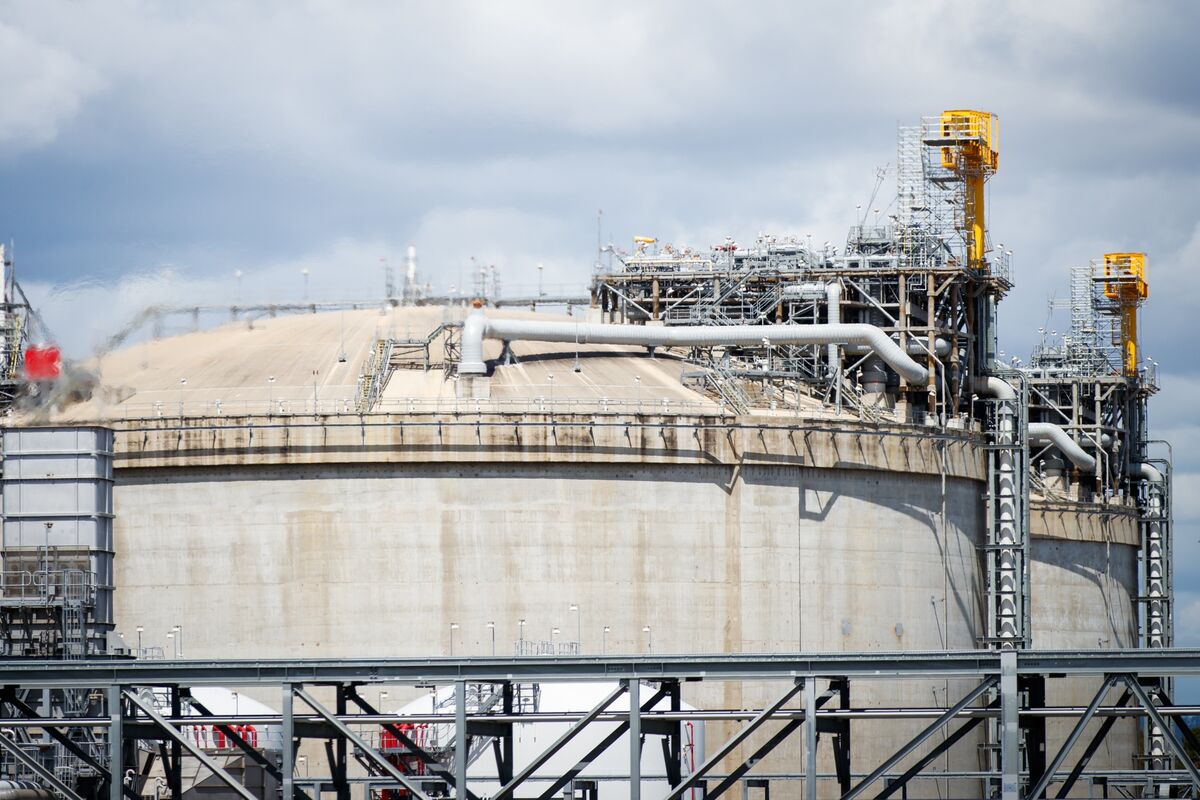
Australia's liquefied natural gas (LNG) exporters are currently experiencing a substantial sales windfall, estimated at A$20 billion (approximately $14 billion USD), largely driven by the ongoing conflict in the Middle East. Despite this significant financial gain, the industry is facing a growing wave of public backlash.
This backlash stems from concerns that the lucrative gas exports are exacerbating domestic energy shortages and contributing to higher energy prices for Australian consumers. Environmental groups and consumer advocates are increasingly vocal, arguing that the nation's focus on exporting fossil fuels undermines its climate commitments and national energy security. They point to instances where domestic gas prices have surged, even as Australia exports vast quantities of the commodity.
The Australian government has been under pressure to address these concerns, with calls for stricter regulations on gas exports and greater investment in renewable energy sources. The debate highlights a growing tension between the economic benefits of the gas export industry and the societal and environmental costs associated with it. The industry's profitability, amplified by global energy market volatility, has intensified scrutiny on its long-term sustainability and impact on the Australian economy and its citizens.
Industry proponents argue that LNG exports are crucial for Australia's economic prosperity, generating significant revenue and supporting thousands of jobs. They also contend that Australia's gas production is among the cleanest in the world. However, critics counter that these economic arguments do not adequately address the immediate energy affordability crisis and the urgent need for a transition to cleaner energy alternatives to meet climate targets.
Original source — read the full reporting at the publisher:
Read on Bloomberg Markets