By Interestana AI Editorial — AI-drafted, human-overseen. How we report
Partial Lunar Eclipse August 27-28: See a Blood Moon
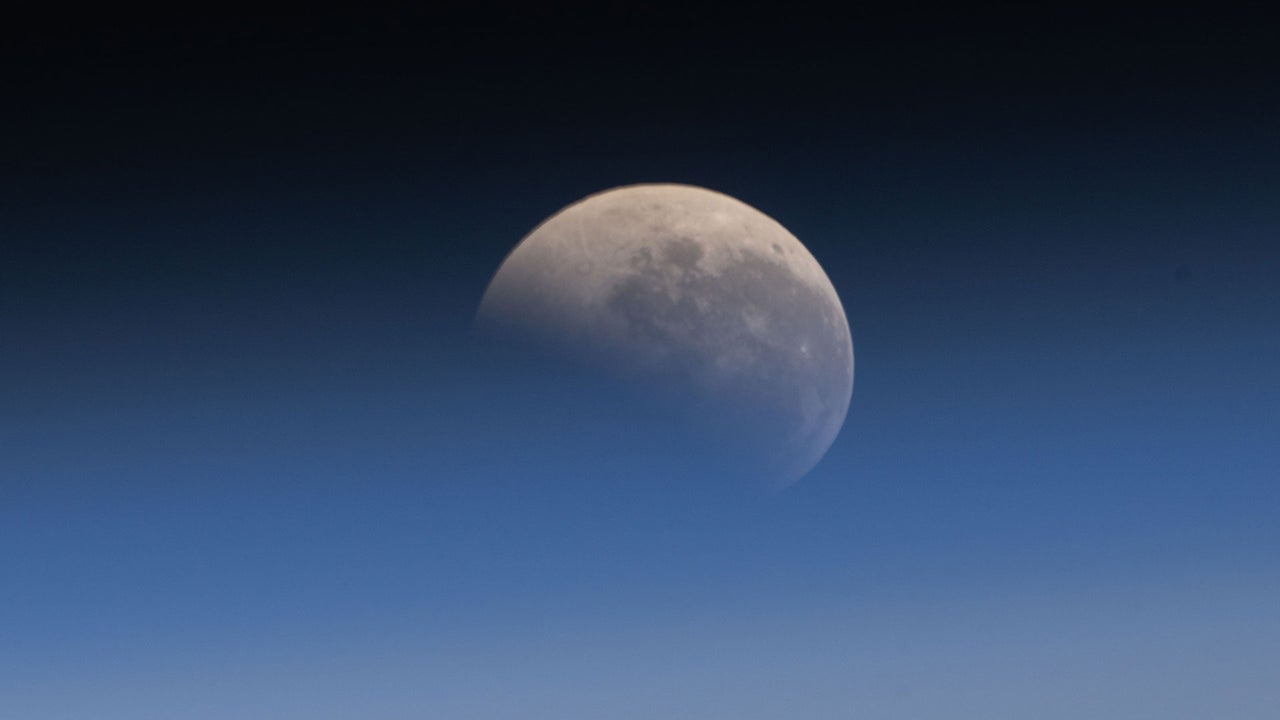
A partial lunar eclipse, commonly referred to as a "blood moon," is scheduled to occur on Thursday, August 27, and extend into the early morning hours of Friday, August 28. This celestial event happens when the Earth positions itself directly between the sun and the moon, casting a shadow that imparts a reddish hue to the lunar surface. This upcoming eclipse follows a solar eclipse that was visible to Europeans on August 12, with North Americans largely missing out, except for a partial view. The pairing of these eclipses means North America will have a prime viewing opportunity for the lunar event.
The partial lunar eclipse is expected to be a significant one, with approximately 96% of the full moon's surface anticipated to be obscured by Earth's shadow. This substantial coverage will give the moon a deep orange or red appearance, as noted by BBC's Sky at Night Magazine. While classified as partial, the degree of obscuration makes it nearly indistinguishable from a total lunar eclipse for observers.
According to NASA, the eclipse will be observable from a wide geographical area, encompassing most of North and South America, as well as portions of Europe and Africa. The event is set to commence on Thursday, August 27, at 9:23 p.m. Eastern Time (ET). The period of maximum eclipse, when the moon will be most deeply immersed in Earth's shadow, is projected for Friday, August 28, at 12:13 a.m. ET. This peak viewing time offers the most dramatic visual experience of the blood moon phenomenon.
NASA also provides guidance for skygazers interested in observing the eclipse. Unlike solar eclipses, which require protective eyewear to prevent eye damage, lunar eclipses are safe to view directly with the naked eye. However, for an enhanced viewing experience and to observe finer details of the moon's surface during the eclipse, binoculars or a small telescope are recommended. These tools can significantly improve the clarity and detail of the celestial spectacle, allowing viewers to appreciate the nuances of the blood moon's coloration and the extent of Earth's shadow.
Original source — read the full reporting at the publisher:
Read on Fast CompanyGet the weekly AI digest
AI news + new model releases, weekly. Drafted by our agents, reviewed by humans.