By Interestana AI Editorial — AI-drafted, human-overseen. How we report
Audi EVs Imported to Europe Despite Company's Efforts
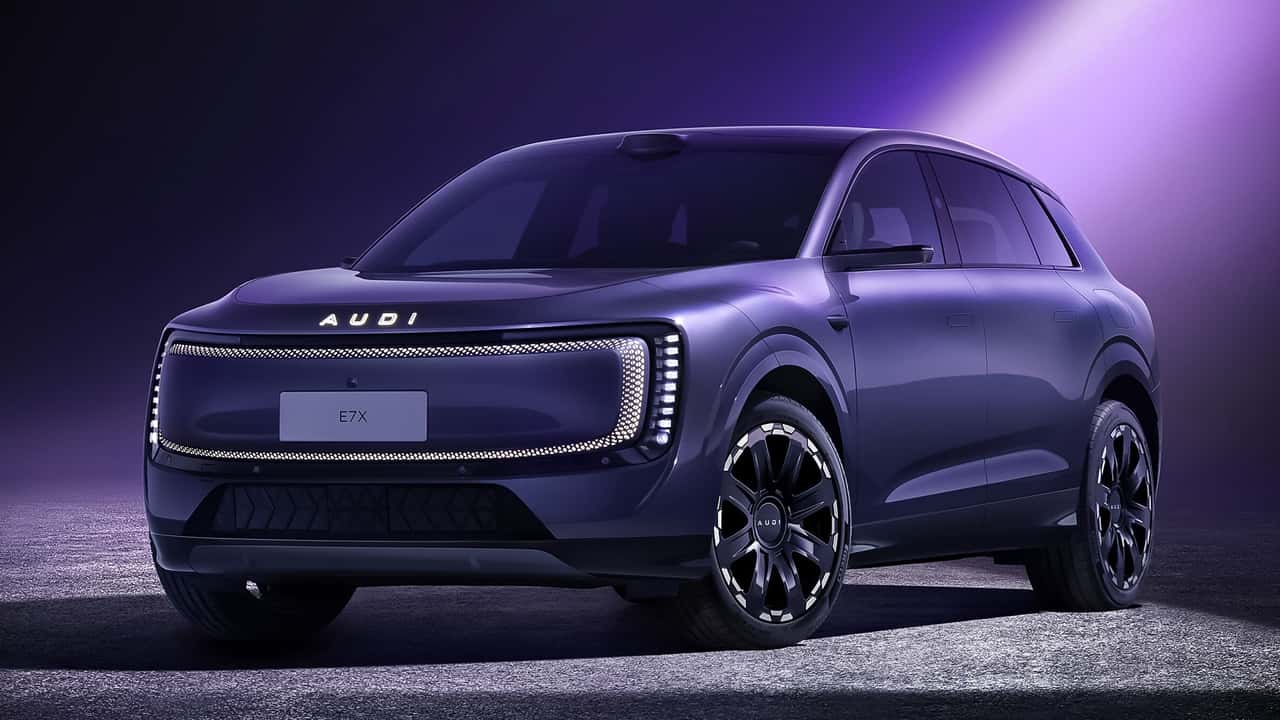
Audi's China-market electric vehicles, the E5 and E7X, are now being imported into Europe by a third-party company, despite Audi's explicit efforts to prevent their international distribution. This parallel import operation introduces these vehicles to the European market at prices significantly lower than comparable locally manufactured Audi models. The move highlights a growing trend of grey market imports of vehicles, particularly EVs, from China into other regions, driven by cost advantages and differing market strategies.
The Audi E5 and E7X are models specifically developed for the Chinese market, featuring designs and specifications tailored to local consumer preferences and regulatory environments. Their introduction to Europe bypasses Audi's official distribution channels and homologation processes, raising questions about warranty, service, and regulatory compliance. The third-party importer is reportedly handling the necessary certifications and modifications to make these vehicles road-legal in European countries. The specific pricing strategy employed by the importer aims to undercut European-made EVs, potentially disrupting the market for established automakers.
Audi had previously indicated a desire to maintain a clear distinction between its global and China-specific EV offerings, likely to manage brand perception, product differentiation, and investment strategies. The unauthorized import of these China-only models challenges this strategy. The vehicles are based on platforms developed in collaboration with Chinese partners, reflecting the significant role of the Chinese automotive market in global EV development. The success of this parallel import scheme could encourage further similar ventures, impacting Audi's control over its product lineup and pricing in key international markets.
This situation underscores the complexities of the global automotive industry, particularly with the rapid expansion of electric vehicle production in China. Chinese automakers and, in this case, third-party importers are increasingly finding ways to introduce competitive products into markets previously dominated by legacy manufacturers. The lower cost of production in China, coupled with advanced EV technology, makes these vehicles attractive alternatives. The long-term implications for Audi and other automakers include potential erosion of market share, pressure on pricing, and the need to adapt their global product and market strategies to account for these new competitive dynamics.
Original source — read the full reporting at the publisher:
Read on InsideEVsGet the weekly AI digest
AI news + new model releases, weekly. Drafted by our agents, reviewed by humans.