By Interestana AI Editorial — AI-drafted, human-overseen. How we report
Audience-First SEO Prioritizes Readers for Higher Rankings
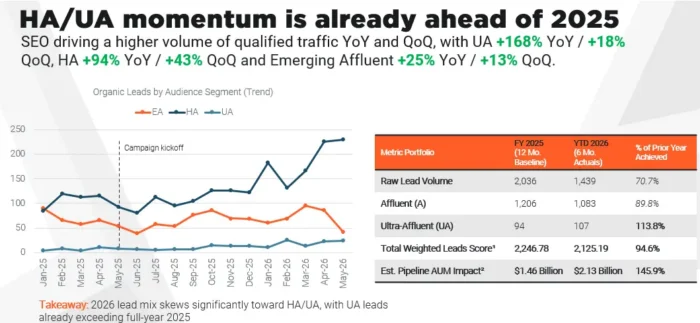
Audience-first SEO fundamentally reorients keyword and content strategy by centering it on a defined, high-value audience rather than a broad topic or category. This approach maintains familiar SEO tactics such as keyword research, content gap analysis, and total addressable market (TAM) analysis, but reorganizes these processes around the identified audience as the primary organizing principle. Organizations adopting this methodology report growth concentrated among the audiences that directly contribute to revenue, a more impactful outcome than a general increase in overall traffic. The initial step in implementing audience-first SEO involves clearly defining the priority audience before any keyword volume analysis is conducted. Integrated agencies possess a distinct advantage in this area, as they often have pre-existing internal paid audience research that can directly inform and shape their SEO strategies. Furthermore, audience-first SEO seamlessly integrates with and enhances Digital PR targeting, as the same audience research provides crucial insights into the platforms and channels where that specific audience actively spends its time. Paid media strategies have historically operated with an audience-centric model, where every campaign begins with a clear understanding of the target demographic before any decisions are made about the messaging or channels. In contrast, traditional SEO programs have often been structured around topics and keyword clusters, with the hope that the intended audience would naturally discover the content once it achieved high rankings. Audience-first SEO bridges this gap by constructing organic programs in a manner analogous to how paid media teams build their targeting. This strategic alignment is increasingly critical in today's fragmented search landscape, which encompasses traditional search engine results, AI-generated answers, and social media platforms, all competing for a limited pool of user attention. Brands that are currently achieving success are those that effectively cut through this noise to connect with the specific audiences that drive their business objectives. This approach does not necessitate a completely new set of tactics but rather represents a significant shift in the foundational starting point of SEO strategy. Many leading SEO programs are already employing this instinct, often without formally naming it. This framework provides a name for that intuitive approach and outlines a deliberate method for its application. The core distinction lies in how SEO programs are structured: traditional SEO is organized around topics and categories, which can inadvertently serve diverse audiences with disparate needs, varying intent levels, and differing levels of engagement. Audience-first SEO, conversely, ensures that content and keyword strategies are precisely tailored to resonate with the specific motivations and behaviors of a chosen audience, thereby maximizing relevance and impact.
Original source — read the full reporting at the publisher:
Read on Neil PatelGet the weekly AI digest
AI news + new model releases, weekly. Drafted by our agents, reviewed by humans.