By Interestana AI Editorial — AI-drafted, human-overseen. How we report
At least 15 dead after overcrowded ferry capsizes on Lake Kariba in Zimbabwe
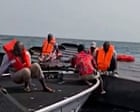
A devastating incident has occurred on Lake Kariba in Zimbabwe, where an overcrowded ferry capsized, resulting in the deaths of at least 15 people and leaving 27 individuals missing. The vessel overturned due to waves on the vast expanse of the world's largest man-made lake. Rescue operations are actively underway, with authorities working to locate the numerous individuals still unaccounted for. The Zimbabwe Civil Protection Unit (CPU), a government agency responsible for disaster management and response, confirmed the grim toll and the ongoing search efforts. According to the CPU's statement, the ferry was significantly overloaded. It had a designated capacity for 90 people but was reportedly carrying 114 adult passengers, five crew members, and an unknown number of children at the time of the disaster. This information was derived from ticket sales data, suggesting a deliberate disregard for safety regulations or a failure in enforcement. Lake Kariba, a colossal reservoir created by the Kariba Dam and straddling the border between Zimbabwe and Zambia, is a significant waterway. Its immense size, however, also means it can be susceptible to challenging maritime conditions, including strong waves, especially when combined with the instability of an overloaded vessel. The ferry's capacity being exceeded is identified as a critical factor contributing to the tragedy, pointing towards potential systemic issues with passenger management, vessel maintenance, and the enforcement of safety protocols on the lake. The CPU is coordinating the extensive search and rescue operations, which are inherently complicated by the sheer scale of Lake Kariba and the significant number of missing persons. Further details are still emerging, including the precise number of children on board and the specific sequence of events that led to the capsizing. This incident starkly highlights the inherent dangers associated with water transportation, particularly when safety regulations are compromised by overloading. It underscores the urgent need for strict adherence to maritime safety standards to prevent such preventable tragedies in the future. The CPU's ongoing investigation aims to ascertain the exact circumstances that led to the capsizing, focusing on how the vessel exceeded its legal capacity and the role of environmental factors like weather conditions. Recovery efforts are expected to continue as authorities strive to account for every passenger and crew member.
Original source — read the full reporting at the publisher:
Read on The Guardian WorldGet the weekly AI digest
AI news + new model releases, weekly. Drafted by our agents, reviewed by humans.