By Interestana AI Editorial — AI-drafted, human-overseen. How we report
At least 12 killed in Russian strikes on Ukraine as EU defence ministers meet
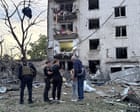
At least 12 people have been killed and dozens more injured following Russian overnight attacks that struck Ukraine, with significant infrastructure damage reported. The strikes, which occurred on September 1, 2026, plunged thousands of residents in the Odesa region into darkness, leaving them without electricity. Ukrainian President Volodymyr Zelenskyy condemned the attacks, underscoring the persistent civilian cost of the ongoing conflict. While the full extent of casualties and damage is still being assessed, initial reports indicate a substantial impact on residential areas and critical infrastructure, a grim testament to the escalating violence.
In parallel, defence ministers from the European Union member states convened in Wicklow, Ireland, for crucial discussions on pressing security and defence matters. Representing the Irish presidency of the EU Council, Ireland's Defence Minister Helen McEntee articulated the gravity of the moment, stating that the talks were taking place "at a moment of profound challenge for all of us in terms of defence and security," and emphasizing the heightened necessity for "closer cooperation more than ever." This meeting, held under the auspices of the EU Council, which is currently chaired by Ireland, signifies a concerted effort by European nations to address a complex and evolving security landscape. The agenda for these high-level meetings was comprehensive, focusing on critical issues such as the ongoing conflict in Ukraine, which continues to destabilize the region, and the imperative of bolstering maritime security in increasingly contested waters. Furthermore, the ministers addressed the urgent need to enhance resilience against hybrid and cyber threats, recognizing the growing sophistication of these non-traditional forms of warfare.
These dual events—the deadly Russian strikes and the EU defence summit—underscore the persistent and multifaceted security crises confronting Europe. The attacks on Ukraine serve as a stark and immediate reminder of the direct military conflict impacting the continent, while the EU defence ministers' meeting reflects a broader, strategic effort to address a spectrum of threats. The specific focus on maritime security and cyber resilience indicates a clear recognition by European leaders of the diverse and interconnected nature of modern warfare, extending far beyond conventional battlefield engagements. These deliberations are therefore crucial for shaping the EU's collective response to both state-sponsored aggression and the threats posed by non-state actors, with significant implications for regional stability and international security. The outcomes of these EU defence talks are anticipated to inform future policy decisions and collaborative initiatives aimed at strengthening the security architecture of the European continent and its immediate neighbourhood, particularly in light of Russia's continued aggression.
Original source — read the full reporting at the publisher:
Read on The Guardian WorldGet the weekly AI digest
AI news + new model releases, weekly. Drafted by our agents, reviewed by humans.