By Interestana AI Editorial — AI-drafted, human-overseen. How we report
G20 Agrees on Cheap Exports; China Dissents, Bessent Says
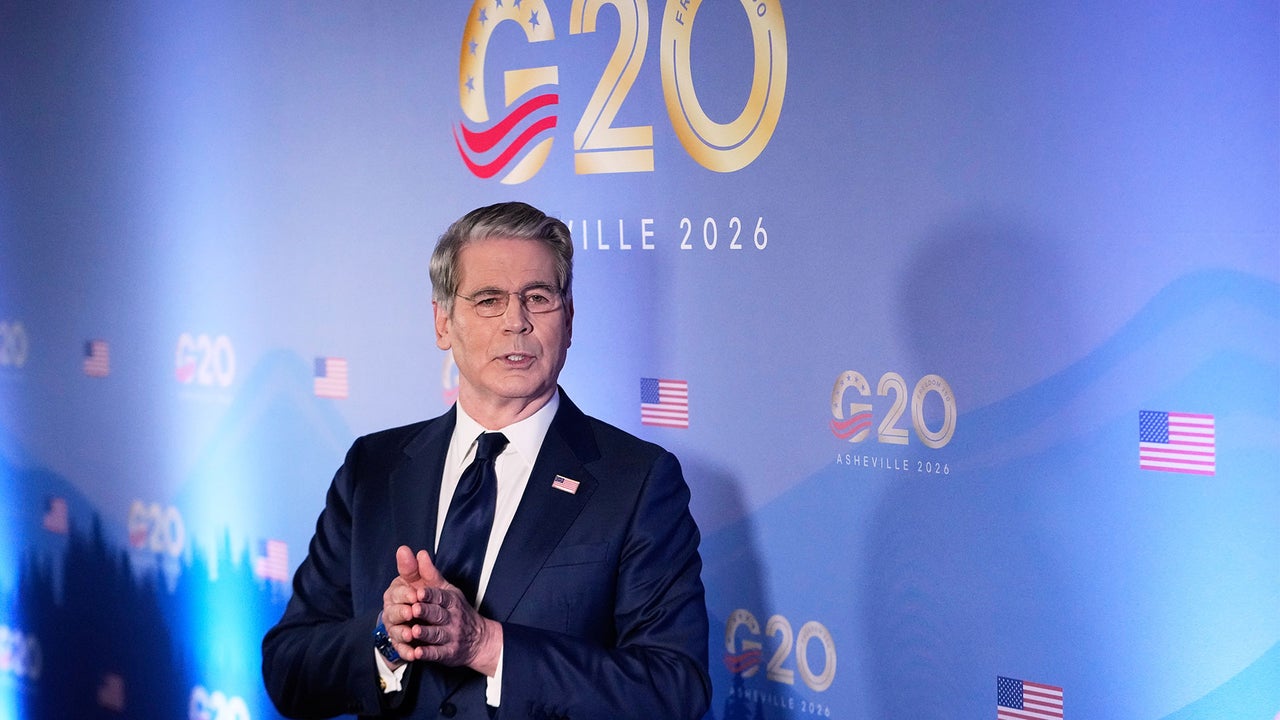
Treasury Secretary Scott Bessent announced on Tuesday that 19 out of 20 G20 member nations have reached an agreement to address the issue of "cheap exports" that contribute to global economic imbalances. Bessent indicated that the People's Republic of China was the sole dissenter on this matter. His remarks were made at the conclusion of a two-day gathering of finance ministers and central bankers, where Bessent had aimed to steer discussions towards economic growth. He informed reporters that he had encouraged some G20 counterparts to adopt strategies similar to those employed by the Trump administration, which included the use of tariffs and other measures to counteract trade imbalances. Bessent articulated the prevailing sentiment among the majority of G20 members, stating, "We believe that non-market-based economies pushing out a never-ending stream of cheap exports is not sustainable." He explicitly identified China as the country with the world's largest and unsustainable current account surplus, confirming its position as the dissenting nation. The Trump administration, aligning with the views of many economists, has previously attributed trade imbalances, characterized by a significant trade surplus for China and a substantial deficit for the U.S., to China's economic practices. During the closing press conference on Tuesday, Bessent also provided an outlook on the forthcoming meeting between President Donald Trump and Chinese President Xi Jinping. He relayed to reporters that he had cautioned other nations at the outset of Trump's potential second term that a new U.S. "tariff wall" would likely result in a surge of Chinese goods entering their respective markets. Bessent commented, "And unfortunately, I was right." He further advised, "The rest of the world probably needs to take a hard look at what they should be doing to protect their citizens’ jobs, their manufacturing base, so that everything they do doesn’t get offshored." In a separate but related point, Bessent also addressed the need for greater transparency from artificial intelligence companies. He stated that AI companies must provide clearer explanations regarding their operations and development processes. Bessent indicated that discussions between Trump and Xi would also encompass artificial intelligence policy, emphasizing the necessity for enhanced safeguards to prevent "non-state actors" from developing their own AI models independently. He confirmed that he had conveyed this point directly to industry leaders in the AI sector.
Original source — read the full reporting at the publisher:
Read on Fast CompanyGet the weekly AI digest
AI news + new model releases, weekly. Drafted by our agents, reviewed by humans.