By Interestana AI Editorial — AI-drafted, human-overseen. How we report
Diesel Prices Surge 10% Amid Middle East Conflict
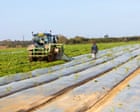
Farmers in both the United Kingdom and the United States are experiencing a substantial increase in fuel costs, with diesel prices rising by 10% in less than a week. This "astronomical" jump is directly impacting the operational expenses for agricultural vehicles and machinery. The primary drivers behind this surge are the intensification of the Middle East conflict and the continuation of Russia's ban on diesel exports. Renewed hostilities involving the US and Iran have led to an increase in crude oil prices, a key component in diesel production. Concurrently, Russia's decision to extend its prohibition on diesel exports has further tightened global supply, pushing market prices upward. This confluence of geopolitical and trade-related factors has created a volatile fuel market, with significant repercussions for the agricultural sector, which relies heavily on diesel for its day-to-day operations. The agricultural industry's dependence on diesel means that these price hikes translate directly into higher costs for essential farming activities, potentially affecting food production and consumer prices. The situation highlights the vulnerability of global supply chains to geopolitical instability and trade policies. The extended Russian export ban, in particular, has been a significant factor in the recent price escalation, limiting the availability of diesel in key markets. The impact on farmers is immediate and significant, as they must absorb these increased costs or find ways to pass them on, which could lead to higher prices for consumers. The agricultural sector is a major consumer of diesel fuel, utilizing it for tractors, harvesters, transportation of goods, and powering various farm equipment. A 10% increase in this essential commodity represents a considerable financial burden. The current market conditions suggest that the elevated fuel prices may persist as long as the geopolitical tensions and export restrictions remain in place. This situation underscores the interconnectedness of global energy markets and their direct influence on fundamental industries like agriculture. The price of crude oil, which dictates the base cost of diesel, has been on an upward trajectory due to concerns over supply disruptions stemming from the Middle East. The ban on diesel exports by Russia, a major global supplier, further exacerbates the supply-demand imbalance. Farmers are now facing difficult decisions regarding their budgets and operational strategies in response to these unforeseen cost increases. The long-term implications for food security and agricultural sustainability are also a growing concern as fuel costs continue to rise.
Original source — read the full reporting at the publisher:
Read on The Guardian WorldGet the weekly AI digest
AI news + new model releases, weekly. Drafted by our agents, reviewed by humans.