By Interestana AI Editorial — AI-drafted, human-overseen. How we report
Wisconsin Cities Exit Flock Camera Network
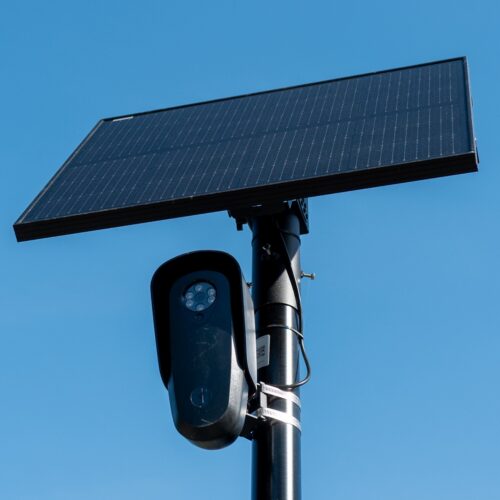
A growing number of cities and towns across Wisconsin are terminating their contracts with Flock, a company providing automated license plate reader (ALPR) camera systems, citing significant privacy and trust concerns among residents and officials. This exodus is not only a direct loss for Flock but also diminishes the utility of the network for the municipalities that continue to utilize the service. The shared nature of Flock's ALPR network means that as more locations disconnect, the ability of the remaining cameras to track vehicles across a wider area is reduced, thereby decreasing the overall value proposition for the cities that remain subscribed.
Dane County, a populous region in Wisconsin that includes the state capital, Madison, serves as a prominent example of this trend. The county had previously invested in Flock's technology, securing a contract for 24 license plate cameras. However, following considerable outcry from citizens and privacy advocates, the Dane County Board of Supervisors made a decisive move on April 16. The board voted to eliminate the $80,000 in county funding allocated for Flock cameras and implemented a ban on any future expenditures related to the system. This decision reflects a broader sentiment of unease regarding the pervasive use of surveillance technology and data collection by private companies.
The withdrawal of municipalities from Flock's network highlights a critical challenge for shared surveillance infrastructure. The effectiveness of ALPR systems is often predicated on their ability to create a comprehensive and interconnected web of data, allowing law enforcement agencies to track vehicles across jurisdictional boundaries. When individual cities opt out, this network becomes fragmented, potentially hindering investigations and reducing the perceived benefits of the system for those still participating. This dynamic creates a feedback loop where the departure of one entity can incentivize others to reconsider their own involvement, further eroding the network's integrity and Flock's market position in the state.
While the article does not specify the exact number of Wisconsin cities that have fled Flock's services, it indicates that this is a recent and ongoing development, with "a spate of Wisconsin towns and cities" withdrawing "over the past few months." The concerns raised by residents and officials in these municipalities are varied but consistently revolve around the potential for misuse of collected data, the lack of transparency in Flock's operations, and the broader implications for civil liberties. The financial implications for Flock are also significant, as each lost contract represents a reduction in revenue and a blow to the company's expansion efforts in the state. The situation in Wisconsin suggests a growing public and governmental scrutiny of private surveillance technologies and their integration into local public safety initiatives.
Original source — read the full reporting at the publisher:
Read on Ars TechnicaGet the weekly AI digest
AI news + new model releases, weekly. Drafted by our agents, reviewed by humans.