By Interestana AI Editorial — AI-drafted, human-overseen. How we report
Biotech Firms Develop New Measles Treatments Amid Rising US Cases
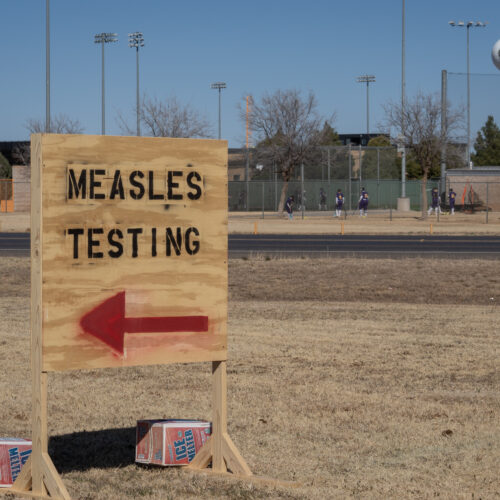
Biotechnology firms and academic research groups have initiated the development of new treatments for measles, a disease that has seen a significant resurgence in the United States. This renewed focus stems from measles cases reaching a 35-year high, coupled with a decline in vaccination rates across the US. Historically, the high efficacy of the measles vaccine had diminished the medical and financial incentives for developing treatments for the virus. However, the current epidemiological trend has prompted a shift in this landscape.
Recent data indicates a dramatic increase in measles cases. By July, the US had already surpassed the 2,289 cases reported for the previous year. This figure stands in stark contrast to the mere 285 cases recorded throughout all of 2024. Major outbreaks in states like South Carolina and Utah have contributed to this surge. The development of new treatments is a multi-year endeavor, and their eventual availability remains uncertain. Furthermore, it is unclear whether individuals who opt out of vaccination would be inclined to receive these new therapeutic countermeasures.
The development efforts are targeting two primary areas: treatments for individuals already infected with the measles virus and short-term protective measures for vulnerable populations. These initiatives represent a proactive response to the escalating public health challenge posed by measles. While the exact timeline for the availability of these treatments is not yet established, the scientific community is actively engaged in finding solutions. The research and development process for new medical interventions is typically lengthy, involving rigorous testing and regulatory approvals.
The resurgence of measles is largely attributed to falling vaccination rates, which have created larger pools of susceptible individuals. Public health officials have expressed concern over the declining herd immunity, which is crucial for preventing widespread outbreaks of highly contagious diseases like measles. The development of new treatments, alongside efforts to improve vaccination coverage, is seen as a dual strategy to combat the disease. The biotech sector's involvement signifies a recognition of the unmet medical need and the potential for innovation in addressing this public health crisis.
Original source — read the full reporting at the publisher:
Read on Ars TechnicaGet the weekly AI digest
AI news + new model releases, weekly. Drafted by our agents, reviewed by humans.