By Interestana AI Editorial — AI-drafted, human-overseen. How we report
Trump's DC Arch Faces Design Revision Demand
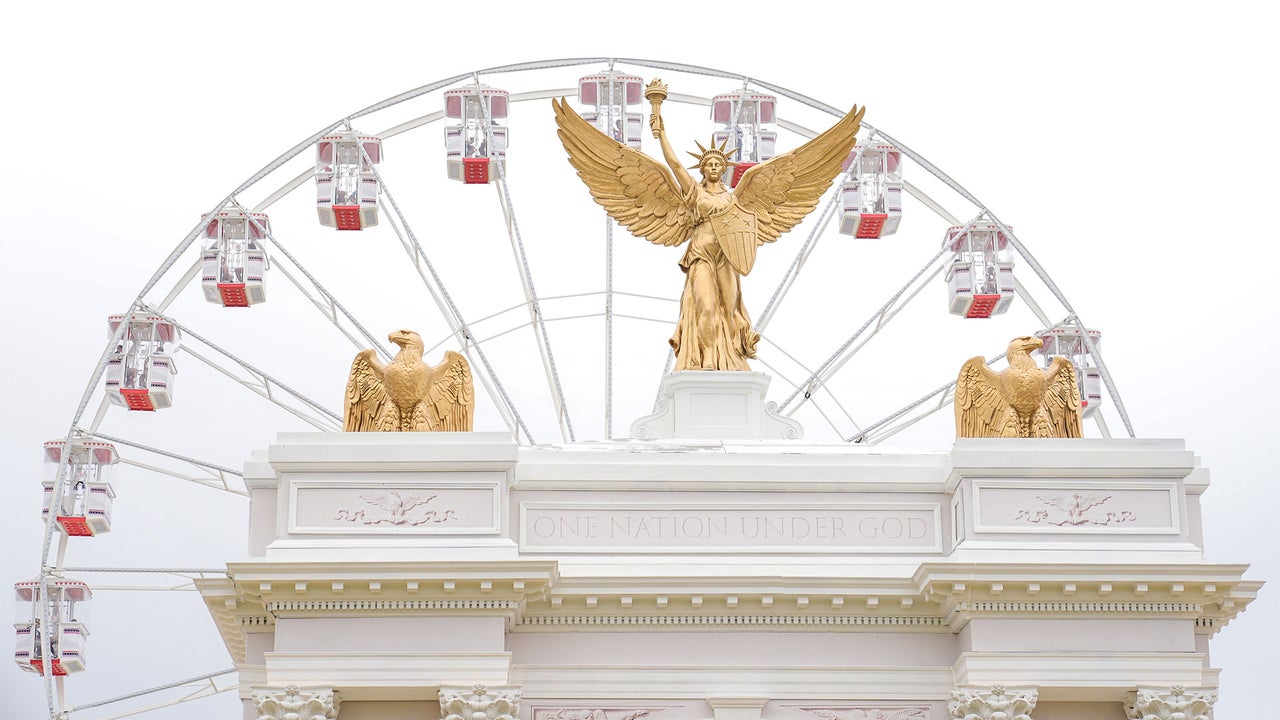
The National Capital Planning Commission (NCPC) is reviewing President Donald Trump's proposed 250-foot arch, with agency staff recommending design revisions before granting preliminary approval. The staff report, released this week ahead of a Thursday meeting, suggests the arch's design must be tweaked to comply with the Height of Buildings Act, which limits building heights in downtown Washington to preserve the city's skyline. The NCPC staff's recommendation is that the commission request the applicant revise the project design to comply with the law and then return for final approval.
According to the 185-page report, compliance with the Height of Buildings Act would necessitate design changes to redistribute the proposed height between the main structure, habitable roof structure, and statuary. Despite these recommended revisions, the arch, which is intended to include a public observation deck and three gilded topper statues, would still reach Trump's target height of 250 feet. The staff also advised commissioners to seek further details regarding vehicular traffic around the arch, the planned granite exterior, and other project elements before the Interior Department, which oversees the park service, proceeds with final approval.
Trump intends to construct the arch on a traffic circle located on the Virginia side of the Memorial Bridge, connecting to the District of Columbia. The U.S. Commission of Fine Arts, a distinct federal agency, had previously approved the arch's design in May. The NCPC, responsible for overseeing construction on federal land within the city, commenced its review of the arch plan in June.
Original source — read the full reporting at the publisher:
Read on Fast CompanyGet the weekly AI digest
AI news + new model releases, weekly. Drafted by our agents, reviewed by humans.