By Interestana AI Editorial — AI-drafted, human-overseen. How we report
Iran Vows Seismic Retaliation to US Economic Warfare
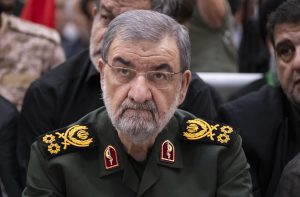
Iran's new head of the Supreme National Security Council, Mohsen Rezaei, issued a stern warning on Sunday, stating that Tehran will consider any country supporting new U.S. economic measures against the Islamic Republic as engaging in an "act of war." Rezaei, who was appointed to the post this month, elaborated on his stance in comments shared by Iranian state media and broadcast late Saturday. He declared that if the Trump administration proceeds with its planned economic actions, Iran will "retaliate in a seismic manner." Rezaei further specified that Iran would target alternative oil-shipping routes from the Persian Gulf, aiming to disrupt traffic beyond the Strait of Hormuz. These appointments, including Rezaei's former role as a Revolutionary Guard commander and military adviser to Supreme Leader Ayatollah Mojtaba Khamenei, are widely interpreted as a signal of Tehran hardening its political and military posture.
This escalation follows the U.S. Treasury Secretary Scott Bessent's expected announcement on Monday regarding new economic measures. The U.S. has vowed to impose an "unprecedented" level of economic warfare and isolation on Iran, a nation already subjected to decades of sanctions. The timing of these announcements coincides with efforts to de-escalate regional tensions. Notably, Pakistan's army chief is also scheduled to visit Iran on Monday, with the visit framed as part of ongoing mediation attempts to revive stalled talks. While attacks on the Strait of Hormuz have recently subsided, diplomatic and military posturing continues. An Iranian authority, recently established, has identified dozens of vessels that will face future transit restrictions, signaling continued assertiveness in maritime security.
In parallel, Iranian President Masoud Pezeshkian on Sunday defended a memorandum of understanding (MOU) signed in mid-June with the United States. Pezeshkian described the MOU as the most effective strategy to move beyond the current state of "neither war nor peace." This diplomatic initiative aims to navigate the complex geopolitical landscape and potentially de-escalate the ongoing conflict. The president's endorsement of the MOU suggests an internal Iranian desire to find a path toward resolution or at least a less volatile status quo, contrasting with the more confrontational rhetoric from the security apparatus. The situation remains fluid, with both economic and diplomatic fronts active in the broader Middle East context.
Original source — read the full reporting at the publisher:
Read on FortuneGet the weekly AI digest
AI news + new model releases, weekly. Drafted by our agents, reviewed by humans.