By Interestana AI Editorial — AI-drafted, human-overseen. How we report
Guam Water Contamination Highlights Pentagon Pacific Expansion Risks
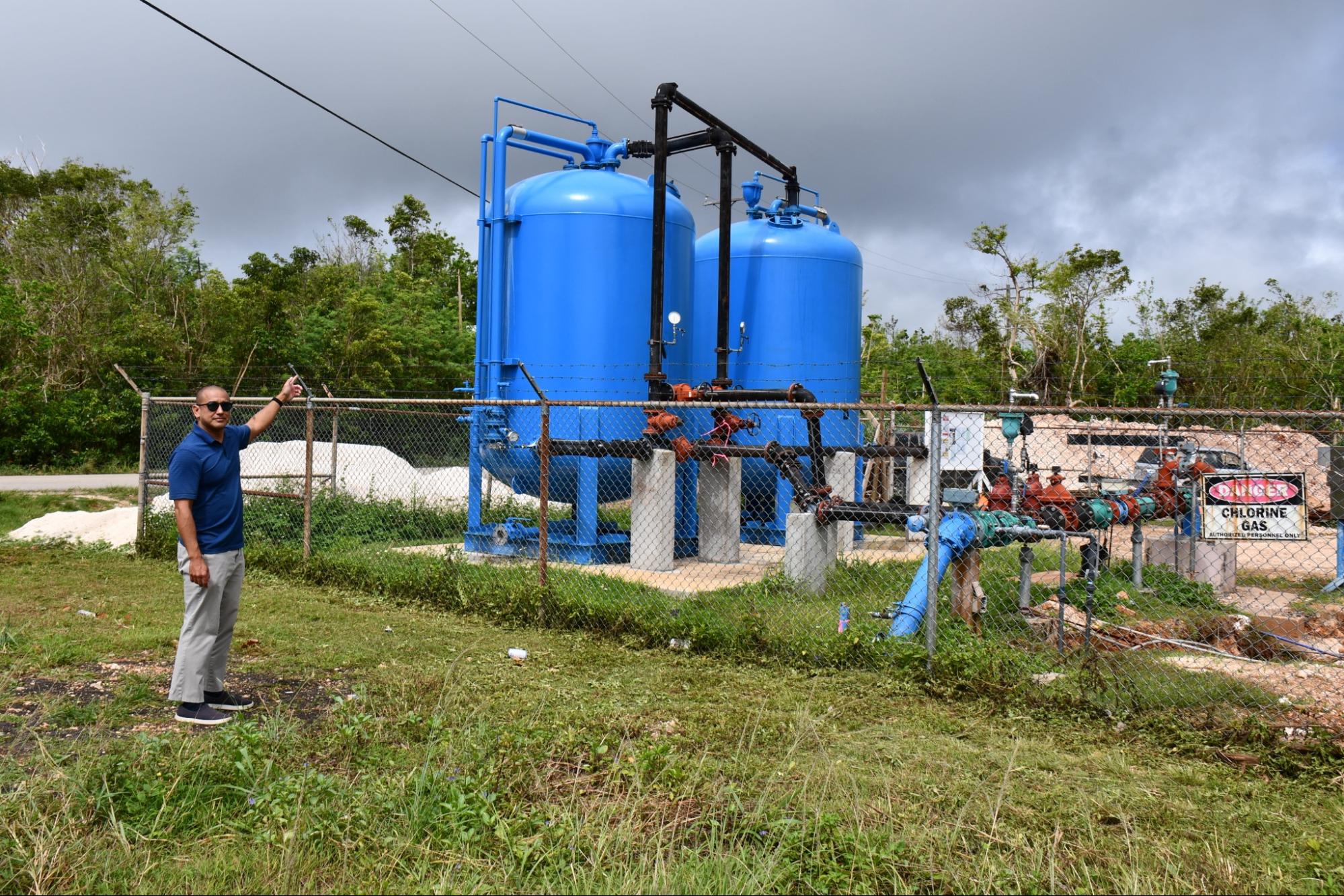
Leevin Camacho, a resident of Yigo, Guam, discovered in the fall that his community's drinking water was contaminated with dieldrin, a banned organochlorine insecticide. The local water authority issued a "DO NOT DRINK" warning, citing "Cancer risk" and "Increased likelihood of adverse impacts on the liver." Camacho learned that high levels of dieldrin had been detected in his community's water since at least 2008, meaning his children had been exposed to the persistent environmental pollutant for most of their lives. Further investigation revealed that the U.S. Air Force base adjacent to the well serving his home had reported "very high levels" of the pesticide, listing it as a "chemical of concern" since at least 1993. The Pentagon's investigation into the contamination, led by officials at Joint Region Marianas, is ongoing, with local officials suspecting the base as a primary source, though acknowledging other potential sources due to dieldrin's historical widespread use.
Camacho's experience reflects a growing sentiment on Guam regarding the legacy of U.S. military presence. While historically viewed as a liberator from Japanese occupation during World War II, a reevaluation has emerged over the past two decades, with some residents perceiving certain military actions as detrimental. The contamination issue is particularly concerning given Guam's strategic importance to the U.S. military's expanding operations in the Indo-Pacific region. The island serves as a critical hub for naval and air forces, with significant infrastructure development underway to support increased U.S. military posture. This expansion, however, brings heightened scrutiny to the environmental impact of military activities on the local population and ecosystem.
Dieldrin, a persistent organic pollutant, was banned in the United States in 1987 due to its toxicity and long-lasting effects on the environment and human health. Its presence in Guam's water supply underscores a broader challenge of managing legacy contamination from past military and industrial activities. The U.S. Environmental Protection Agency (EPA) has established maximum contaminant levels (MCLs) for various pesticides in drinking water to protect public health, but the detection of dieldrin at high levels suggests a significant breach of these standards. The long-term health consequences of chronic exposure to dieldrin can include neurological damage, reproductive issues, and increased cancer risk, making the contamination a serious public health crisis for the affected communities on Guam.
The situation on Guam highlights the complex interplay between national security interests, military operations, and environmental stewardship. As the U.S. military continues to bolster its presence in the Pacific, ensuring that such expansion does not come at the cost of local environmental health and community well-being is paramount. The ongoing investigation into the dieldrin contamination is expected to shed more light on the specific sources and extent of the pollution, and to inform remediation efforts. However, the case also serves as a cautionary tale, emphasizing the need for robust environmental monitoring, transparent communication with local communities, and proactive measures to prevent future contamination incidents, particularly in areas with significant military installations and a history of industrial chemical use.
Original source — read the full reporting at the publisher:
Read on GristGet the weekly AI digest
AI news + new model releases, weekly. Drafted by our agents, reviewed by humans.