By Interestana AI Editorial — AI-drafted, human-overseen. How we report
Trump Administration Appeals to Supreme Court for Third Time on Mail-In Ballot Restrictions Amidst Ballot Mailings
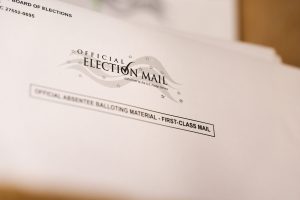
The Trump administration has initiated its third appeal to the Supreme Court, aiming to reinstate new restrictions on mail-in ballots just as the initial mail-in ballots for the crucial midterm elections are being dispatched to voters. This latest legal maneuver follows a significant setback when U.S. District Court Judge Indira Talwani blocked the implementation of these proposed rules, which were designed to enforce an executive order issued by President Donald Trump concerning the procedures for handling mail ballots in the November elections. Judge Talwani's decision extended a prior order that prohibits the United States Postal Service (USPS) from enacting these changes.
The timing of this legal contention is particularly acute, given that states are actively commencing the process of mailing ballots to registered voters. Solicitor General John Sauer, representing the administration, emphasized in the court filing that ballots have already been sent out in North Carolina. He further noted that Alabama is slated to begin its mail ballot distribution on September 9, with at least five additional states scheduled to follow suit during the week of September 13. Sauer's argument highlights the irreversible nature of mail once it enters the postal system, stating, "Once those ballot envelopes enter the mailstream, there is no retrieving them." He expressed concern that while the current injunction permits the USPS and states to continue taking necessary steps to ensure ballot envelopes meet the requirements of the 'Rule' (referring to the administration's directives), the ongoing injunction renders these preparatory actions voluntary rather than mandatory. This, he argued, "risks sowing confusion and chaos" among election officials and voters.
This appeal represents the third occasion the Trump administration has sought the intervention of the nation's highest court in this specific matter. While the Supreme Court has previously allowed the administration's plan to proceed in earlier stages, it has not yet rendered a definitive ruling on the legality of these proposed mail ballot restrictions. The outcome of this protracted legal battle is anticipated to have substantial ramifications for the upcoming midterm elections, a contest where control of both the House of Representatives and the Senate is at stake. Mail-in voting has become an increasingly significant component of the American electoral process, with approximately one-third of all voters casting their ballots by mail in recent elections. Voting rights organizations and several Democratic-leaning states have voiced strong opposition to the proposed changes, asserting that they are unconstitutional and designed to suppress voter turnout. Concurrently, many election officials have raised practical concerns, pointing to the insufficient time available to revise their established systems and operational procedures to comply with the new USPS directives before the election.
The Trump administration has consistently framed these restrictions as common-sense measures that fall within its executive authority to regulate the postal service. The core of their argument, as articulated by Sauer, is that the best way to alleviate the respondents' (those challenging the rules) fears about their inability to comply with the Rule is to grant an immediate administrative stay, effectively pausing the injunction and allowing the new procedures to take effect.
Original source — read the full reporting at the publisher:
Read on FortuneGet the weekly AI digest
AI news + new model releases, weekly. Drafted by our agents, reviewed by humans.