By Interestana AI Editorial — AI-drafted, human-overseen. How we report
Mosquito Ranges Expand With Climate Change, Disease Risk Grows
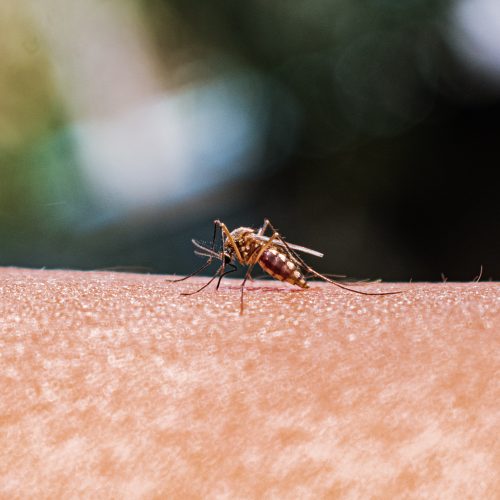
As climate change leads to warmer and wetter conditions, mosquito species are expanding their ranges into historically temperate regions, posing an increased risk of disease transmission. In Connecticut, a statewide mosquito monitoring program has identified 54 different mosquito species, including invasive types like the Asian tiger mosquito.
The Asian tiger mosquito, known for its ability to transmit serious diseases such as dengue and Zika, has historically been confined to hotter, more humid climates further south. Its northward migration into areas like New England signifies a significant shift in disease vector distribution. This expansion highlights the growing public health concern associated with changing environmental conditions.
Effective mosquito monitoring programs are crucial for tracking these shifts and implementing timely public health interventions. By identifying the presence and spread of disease-carrying mosquito species, authorities can better prepare for and mitigate potential outbreaks. The detection of invasive species underscores the need for ongoing surveillance and adaptive strategies to protect communities from vector-borne illnesses.
Original source — read the full reporting at the publisher:
Read on Ars TechnicaGet the weekly AI digest
AI news + new model releases, weekly. Drafted by our agents, reviewed by humans.