By Interestana AI Editorial — AI-drafted, human-overseen. How we report
Japan's Farmers Embrace Heat-Resistant Rice to Combat Climate Change's Threat to Staple Crop
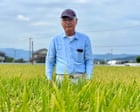
In the face of a warming planet and its detrimental effects on agriculture, Japanese farmers are increasingly adopting innovative, heat-resistant rice varieties to protect their vital staple crop. This shift is crucial as climate change manifests in hotter and drier summers, conditions that historically lead to diminished rice yields. One such farmer, 63-year-old Haruki Kawasaki from Shiroishi, is a testament to this adaptation. He is preparing to harvest this year's crop of 'hinatamaru,' a specific rice strain meticulously developed to thrive even when exposed to prolonged periods of high temperatures and arid conditions. The plump grains of 'hinatamaru' signify a successful cultivation, offering a beacon of hope that agricultural resilience can be achieved despite the escalating climate emergency.
The broader context of climate change in Japan underscores the urgency of these agricultural advancements. Japan has experienced a notable rise in average temperatures, with heatwaves becoming more frequent and intense. These climatic shifts directly impact agricultural productivity, particularly for rice, a crop highly sensitive to temperature fluctuations and water availability. Traditional rice farming methods, honed over centuries, are now being challenged by these new environmental realities, necessitating a fundamental re-evaluation and a move towards more robust and adaptable crop strains. The development and widespread adoption of varieties like 'hinatamaru' represent a proactive and essential response from Japan's agricultural sector to ensure the continued viability and sustainability of rice production.
Beyond the immediate benefits for individual farmers like Mr. Kawasaki, the successful cultivation of heat-resistant rice carries significant implications for Japan's entire food supply chain and its economy. Rice is not merely a foodstuff; it is a cornerstone of the Japanese diet and a major agricultural commodity. Any disruption to its production can trigger a cascade of adverse effects, impacting everything from consumer prices to the livelihoods of countless individuals employed within the agricultural industry and its associated sectors. Therefore, the ongoing innovation in developing and promoting these resilient rice varieties is far more than a simple agricultural advancement. It is a critical step in bolstering national food security and economic stability, providing a vital buffer against the uncertainties presented by a changing climate. These efforts to adapt farming practices and crop types highlight a deep-seated commitment to fostering sustainable agriculture in an era defined by environmental challenges.
Original source — read the full reporting at the publisher:
Read on The Guardian EnvironmentGet the weekly AI digest
AI news + new model releases, weekly. Drafted by our agents, reviewed by humans.