By Interestana AI Editorial — AI-drafted, human-overseen. How we report
Racial Disparities in Home Insurance Costs Worsen as Climate Change Fuels Extreme Weather
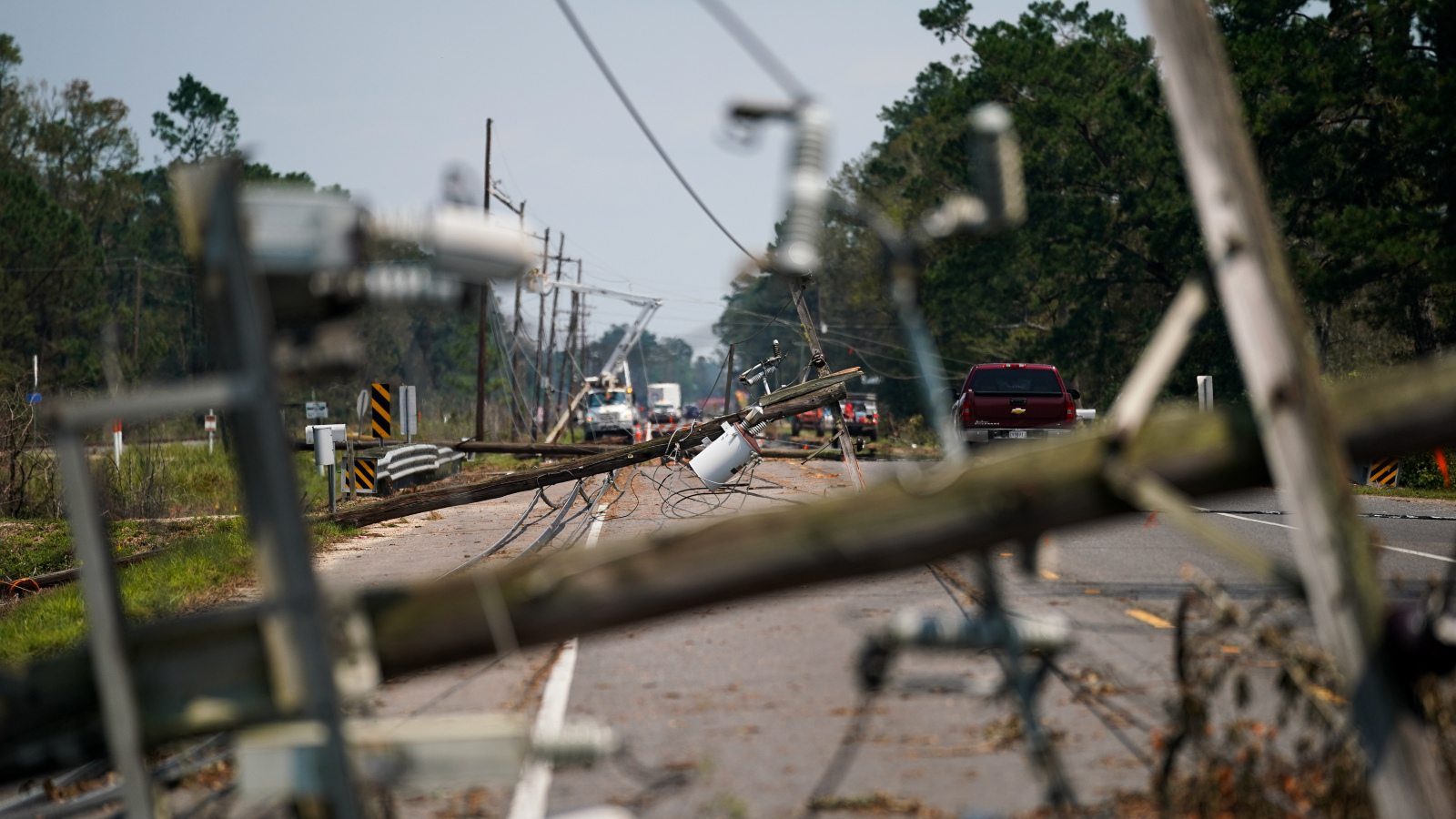
Homeowners in predominantly Hispanic and Black communities across the United States are bearing a disproportionate burden of escalating home insurance costs, a situation exacerbated by the increasing frequency and intensity of climate change-driven disasters. A comprehensive report released in July by the Consumer Federation of America (CFA), a prominent nonprofit organization representing nearly 250 consumer advocacy groups, has brought this critical issue to light. The CFA's findings indicate that homeowners residing in ZIP codes with a majority Hispanic population pay, on average, a staggering 30 percent higher insurance premiums. This translates to an additional cost of approximately $950 annually when compared to homeowners in predominantly white communities. The disparity is equally pronounced for Black homeowners; those in predominantly Black ZIP codes face, on average, 16 percent higher premiums, amounting to roughly $500 more per year than their counterparts in white communities.
The rigorous analysis conducted by the CFA was based on an examination of identical insurance policies evaluated across diverse communities. This meticulous methodology was specifically designed to isolate premium differences and effectively rule out variations in homeowner characteristics, property details, or coverage choices as causal factors for the observed inequities. While local risk factors, such as proximity to flood zones or areas prone to wildfires, may contribute to some of these premium differences, the report strongly suggests that a significant and persistent gap in insurance costs remains even after accounting for such environmental and geographical considerations.
Sharon Cornelissen, director of housing at the Consumer Federation of America and a co-author of the report, underscored the critical, yet often overlooked, racial inequity embedded within the broader national insurance affordability crisis. She emphasized that Black and Hispanic homeowners are experiencing particularly acute financial struggles due to these escalating costs. Over the extended duration of a 30-year mortgage, these cumulative premium inequities translate into substantial additional financial burdens. The report estimates that homeowners in Hispanic communities could face an extra $28,500 in insurance costs, while homeowners in Black communities could incur an additional $15,000 over the same mortgage period.
This ongoing disparity is widely viewed as a continuation of the historical legacy of redlining in the home insurance sector. Redlining, a discriminatory practice that originated in the mid-20th century, involved systematically denying services, including insurance, to residents of certain areas, often based on race or ethnicity. While the overt discrimination of redlining may have diminished, its effects continue to impact communities of color by affecting their homeownership stability and increasing their exposure to financial risks, even if the discrimination today is not always intentional or explicit. The report thus highlights a critical intersection of climate change impacts and systemic societal inequities, where communities already grappling with historical disadvantages are further penalized by rising insurance costs that are directly linked to environmental events and the increasing frequency of extreme weather.
Original source — read the full reporting at the publisher:
Read on GristGet the weekly AI digest
AI news + new model releases, weekly. Drafted by our agents, reviewed by humans.