By Interestana AI Editorial — AI-drafted, human-overseen. How we report
Indigenous Leaders Confront Climate and Conflict Crises at UN
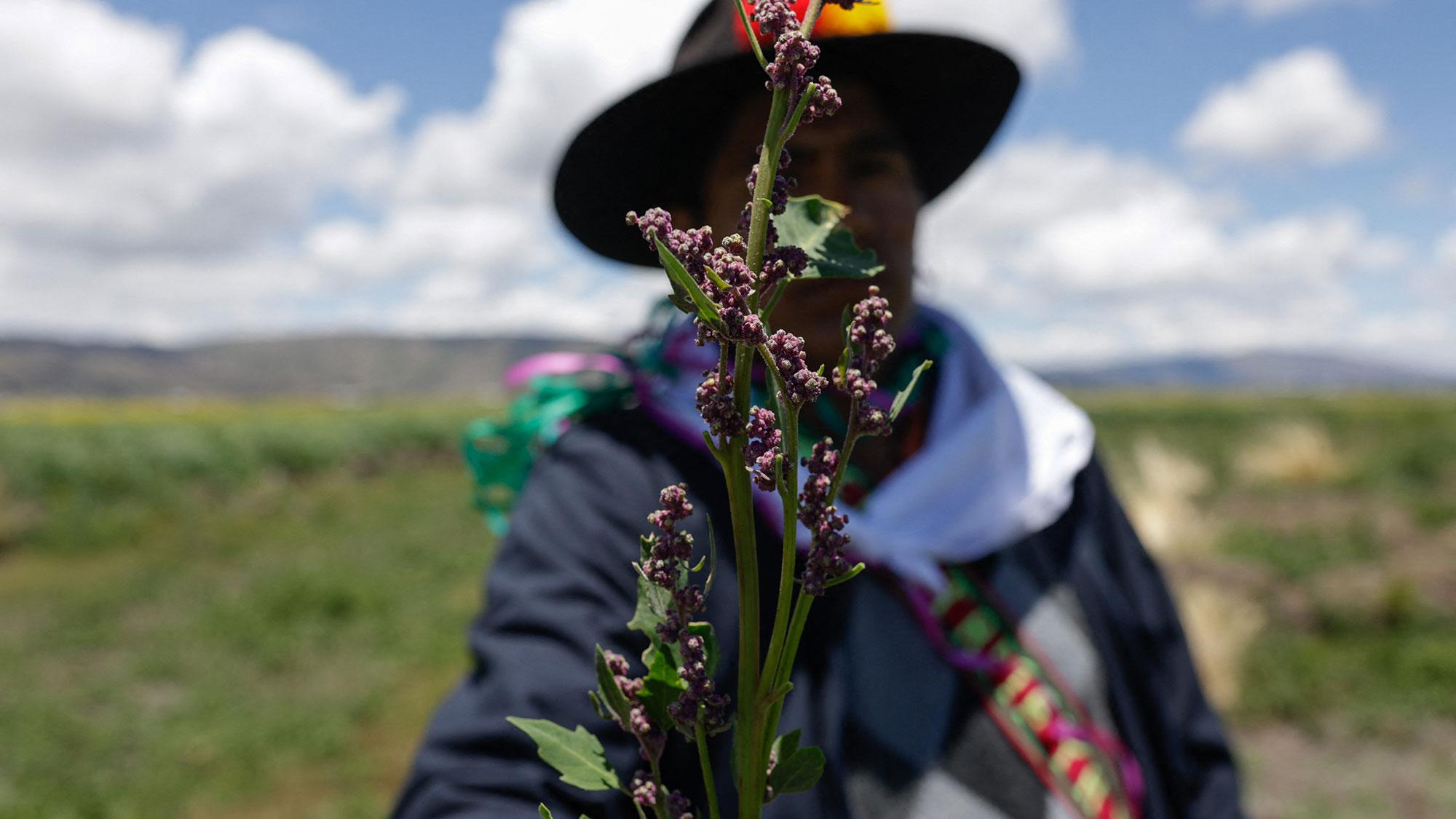
Indigenous leaders are converging in Geneva this week for the 19th annual gathering of the United Nations Expert Mechanism on the Rights of Indigenous Peoples (EMRIP) to confront the escalating and interconnected crises of climate change and violent conflict. Despite the UN Declaration on the Rights of Indigenous Peoples being adopted nearly 20 years ago, Indigenous peoples continue to face severe threats to their lands and lives. These threats include extreme weather events like record-breaking storms, droughts, and rising sea levels driven by climate change, alongside hundreds dying in wars and land defense, and persecution by government officials. Binota Moy Dhamai, a former chair of EMRIP, stated that climate change, militarization, extractivism, and legal marginalization mutually reinforce each other. EMRIP, one of three UN bodies dedicated to Indigenous peoples, comprises seven Indigenous experts representing different regions and operates under the UN Human Rights Council to develop data, recommendations, and advice for international standards and enforcement of Indigenous rights. This year's session will involve Indigenous leaders, governments, and experts discussing both persistent and new issues, such as insufficient disaster relief, artificial intelligence, and resource extraction, highlighting the critical stakes for Indigenous peoples facing overlapping existential threats.
Original source — read the full reporting at the publisher:
Read on GristGet the weekly AI digest
AI news + new model releases, weekly. Drafted by our agents, reviewed by humans.