By Interestana AI Editorial — AI-drafted, human-overseen. How we report
States Fund College Sports Budgets Amid Athlete Pay Increases
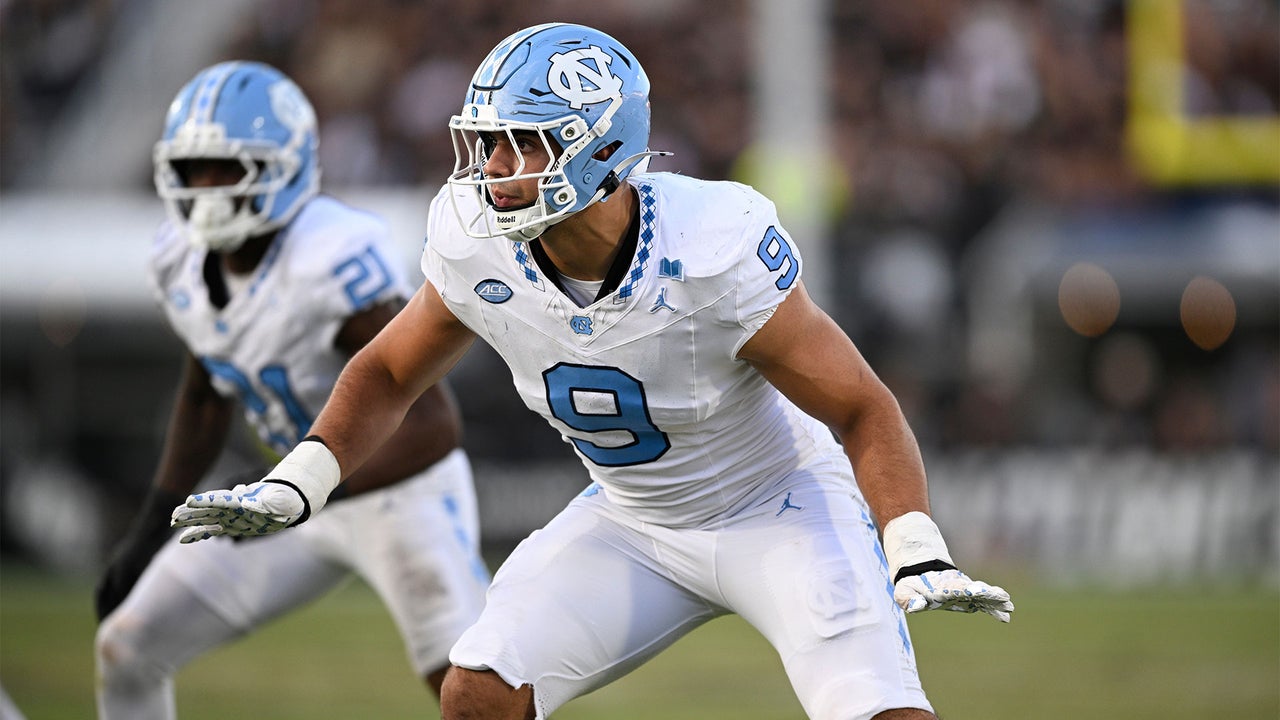
Several U.S. states are implementing creative funding mechanisms to bolster college athletic budgets, a response to the significant financial pressures created by rising athlete compensation. This emerging trend sees taxpayer dollars being channeled into athletic programs, though not directly to athletes themselves. Instead, these funds are earmarked for facilities and administrative expenses, thereby freeing up university funds that can then be reallocated towards athlete compensation and other athletic program needs. The University of North Carolina at Chapel Hill's athletics program, for instance, is set to receive $3 million derived from state sports betting taxes. Similarly, Wisconsin lawmakers have approved $15 million for athletic costs at the University of Wisconsin. Connecticut and Louisiana are also utilizing tax dollars to support their college athletics initiatives, and discussions about similar measures are underway in additional states. Sports business analysts identify this as a developing trend, with Daniel McIntosh, faculty director of the sports business program at Arizona State University, noting that "Once one state provides that kind of assistance, schools in competing states can argue that they are being placed at a competitive disadvantage, which could create additional pressure on legislatures to respond." This financial support from states comes at a time of substantial change in how college athletes are compensated. Historically, NCAA rules prohibited athletes from receiving direct payment from schools or boosters. However, legal challenges and state-level pressures led the NCAA to permit athletes, starting in 2021, to earn money through name, image, and likeness (NIL) deals with private entities. Further significant changes occurred last year with a legal settlement that allows higher education institutions to directly pay athletes approximately $20.5 million annually, in addition to existing scholarships and NIL earnings. This figure has been adjusted upward to $21.3 million for the current school year. The increasing financial demands on athletic departments, driven by these new compensation models, have prompted states to explore and implement these direct funding avenues to maintain competitive parity and support their respective university athletic programs. The competitive landscape in college sports, particularly in revenue-generating sports like football and basketball, necessitates substantial financial resources for facilities, coaching staff, and now, athlete compensation, placing a strain on traditional university budgets.
Original source — read the full reporting at the publisher:
Read on Fast CompanyGet the weekly AI digest
AI news + new model releases, weekly. Drafted by our agents, reviewed by humans.