By Interestana AI Editorial — AI-drafted, human-overseen. How we report
AI to Cause Unprecedented Natural Gas Deficit, Investor Warns
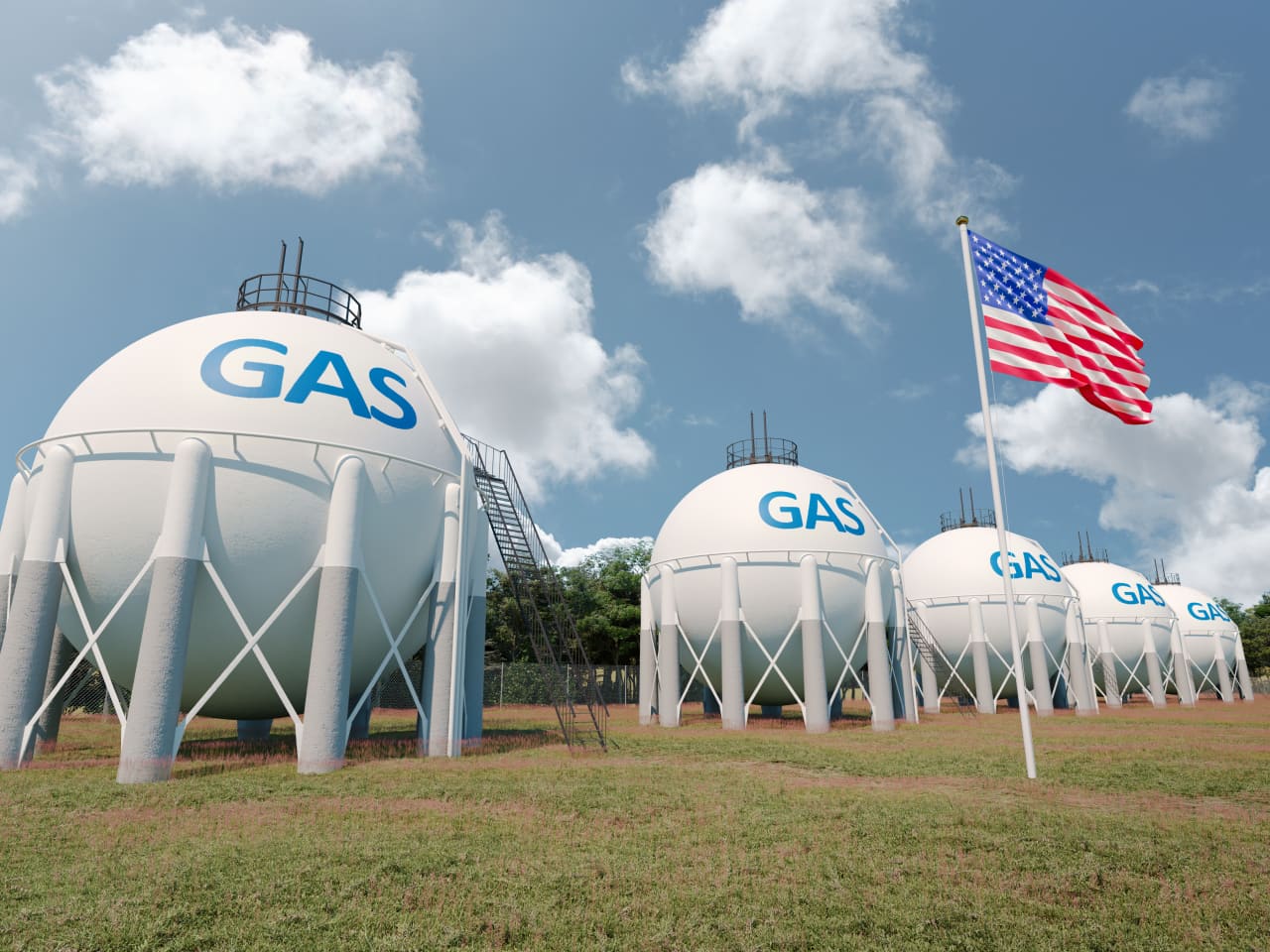
Matthew Smith, a portfolio manager at Chronometer Partners, has issued a stark warning that the rapid growth of artificial intelligence (AI) will lead to an unprecedented deficit in natural gas supply. Smith asserts that both investors and global markets are currently unprepared for the scale of this impending shortage, which he believes will significantly impact energy prices and availability. He highlighted that the energy consumption of AI data centers is rapidly escalating, far outpacing current projections and infrastructure development.
Smith's analysis, detailed in recent investor communications, points to the immense power requirements of training and running large AI models. These data centers, essential for AI advancement, demand a constant and substantial supply of electricity. While renewable energy sources are growing, natural gas remains a critical component of the global energy mix for baseload power and grid stability, especially in regions where AI infrastructure is being heavily deployed. The projected increase in AI-driven energy demand is expected to strain existing natural gas production and distribution networks.
Chronometer Partners has identified specific investment opportunities that could benefit from this anticipated natural gas crunch. While the specific stock recommendations are proprietary, Smith indicated that companies involved in natural gas production, transportation, and related infrastructure are likely to see increased demand and potentially higher valuations. The firm's strategy is based on the conviction that the market has not yet fully priced in the long-term implications of AI's energy appetite on fossil fuel markets.
The warning comes as AI technologies continue to see widespread adoption across various industries, from cloud computing and autonomous vehicles to scientific research and creative content generation. Each of these applications contributes to the growing computational load and, consequently, the energy demand. Smith's outlook suggests a potential mismatch between the pace of AI innovation and the corresponding investment in energy infrastructure, creating a critical vulnerability in the global energy supply chain. This situation could lead to price volatility and supply disruptions if not addressed proactively.
Original source — read the full reporting at the publisher:
Read on MarketWatchGet the weekly AI digest
AI news + new model releases, weekly. Drafted by our agents, reviewed by humans.