Argentina's Parties Seek Middle Ground on Economic Policy
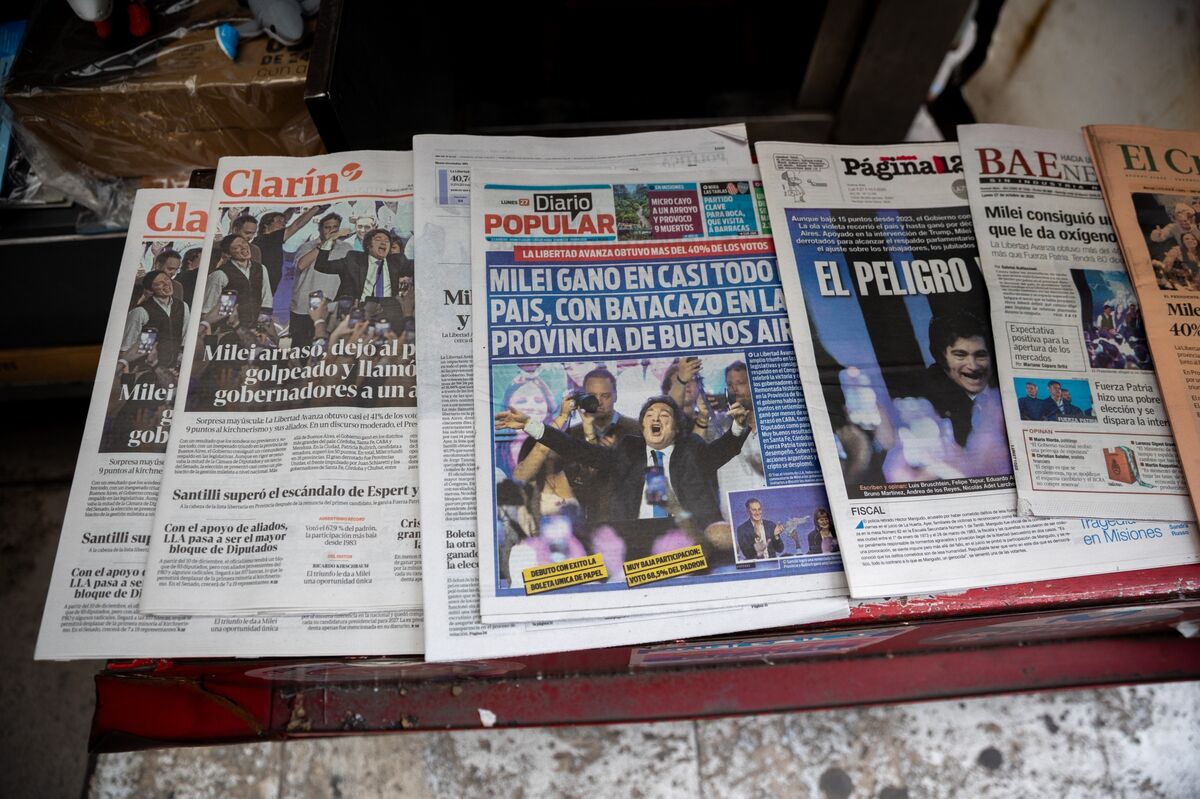
Argentine political parties are actively seeking avenues to establish more consistent economic policies, aiming to break a decades-long pattern of drastic ideological swings between successive administrations. This historical "pendulum effect" has historically destabilized investor confidence as each new government dismantles the economic framework implemented by its predecessor. The current political landscape reflects a growing recognition among various factions that such radical policy reversals are detrimental to long-term economic stability and growth.
Discussions are reportedly underway within and between major political blocs to identify common ground and potential mechanisms for policy continuity. The objective is to create a more predictable and reliable economic environment, which is seen as crucial for attracting domestic and foreign investment. This initiative aims to move away from the extreme positions that have characterized Argentine politics, fostering a more moderate and pragmatic approach to governance. The focus is on building consensus around core economic principles that can withstand changes in government.
While specific proposals remain under development, the underlying sentiment is a desire for a more stable economic trajectory. This includes exploring options for independent fiscal oversight bodies, long-term development plans that transcend electoral cycles, and mechanisms for ensuring the gradual implementation and adaptation of policies rather than abrupt overhauls. The success of these efforts will depend on the willingness of political leaders to compromise and prioritize national economic interests over partisan agendas. The ultimate goal is to create an economic model that is resilient to political shifts and conducive to sustained prosperity for Argentina.
Original source — read the full reporting at the publisher:
Read on Bloomberg Markets