By Interestana AI Editorial — AI-drafted, human-overseen. How we report
AI Agents Threaten Traditional HR Platforms
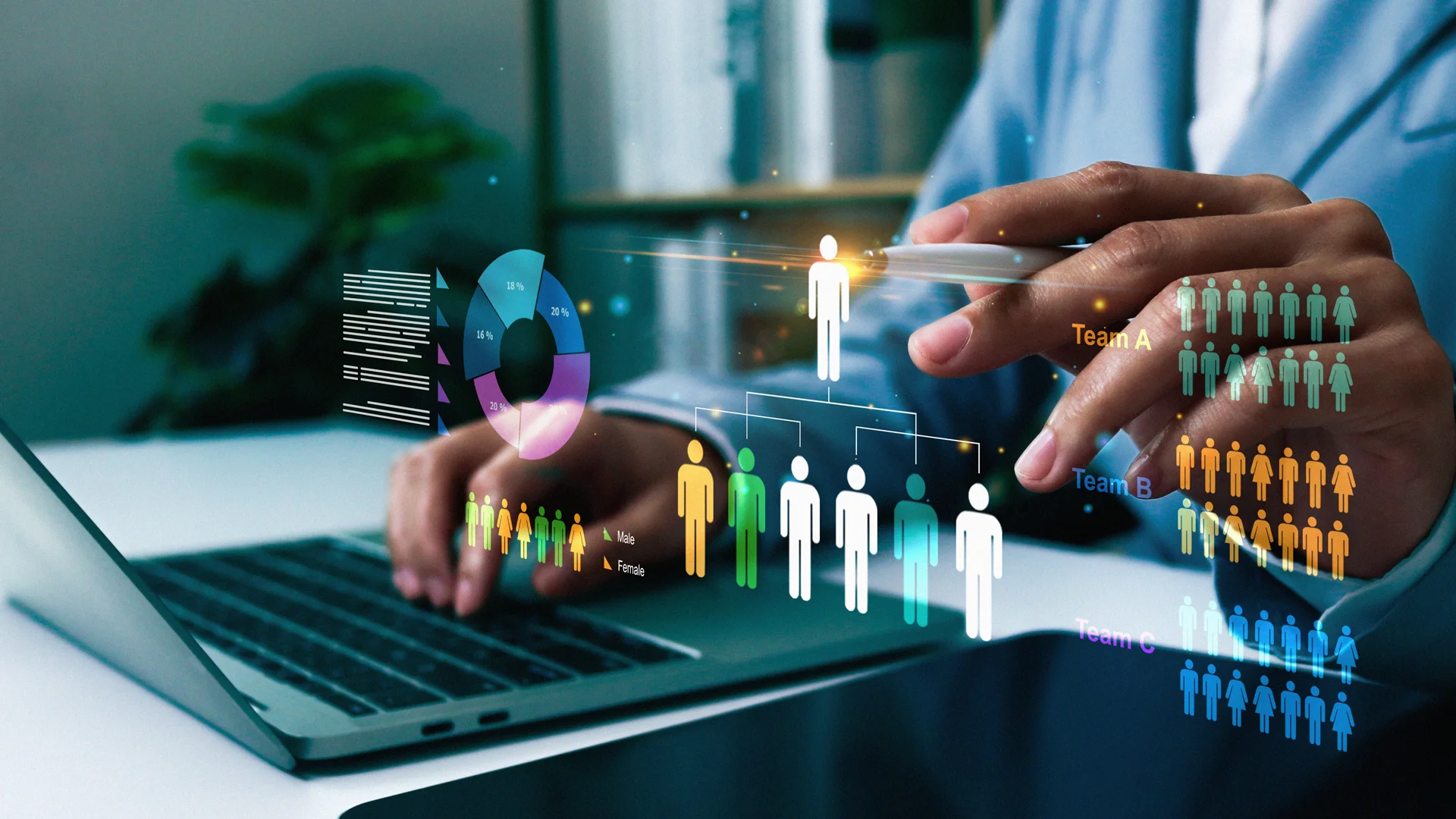
The landscape of Human Resources technology is undergoing a significant transformation, with the emergence of AI agents challenging the dominance of traditional HR platforms. These advanced AI systems are shifting the paradigm from purchasing pre-built software solutions to building bespoke HR functionalities. This evolution suggests that the next generation of HR tools may not be off-the-shelf products but rather custom-developed applications powered by AI.
AI agents are capable of performing a wide array of HR tasks, including recruitment, onboarding, employee engagement, performance management, and payroll processing. Unlike monolithic HR platforms that often require extensive customization and integration, AI agents can offer a more fluid and personalized experience. They can learn individual employee needs and preferences, providing tailored support and automating complex workflows with greater efficiency. For instance, an AI agent could proactively identify skill gaps within a team and suggest relevant training modules, or it could manage the entire onboarding process for new hires, from initial paperwork to cultural integration.
This disruption poses a direct threat to established HR technology vendors. Companies that have invested heavily in comprehensive HR suites may find their offerings becoming less attractive as businesses increasingly opt for more agile and intelligent AI-driven solutions. The ability of AI agents to integrate seamlessly with existing business systems and adapt to specific organizational needs further amplifies their competitive advantage. This could lead to a market consolidation or a significant shift in market share, favoring companies that can effectively leverage AI capabilities.
The shift towards AI agents in HR is driven by several factors, including the increasing demand for personalized employee experiences, the need for greater operational efficiency, and the rapid advancements in artificial intelligence. As AI technology matures, its application in HR is expected to become more sophisticated, enabling predictive analytics for employee retention, personalized career pathing, and automated compliance monitoring. This fundamental change in how HR functions are managed and supported by technology necessitates a re-evaluation of current HR technology strategies by both vendors and end-users. The future of HR technology appears to be increasingly decentralized and intelligent, moving away from the centralized, platform-centric models of the past.
Original source — read the full reporting at the publisher:
Read on Inc.Get the weekly AI digest
AI news + new model releases, weekly. Drafted by our agents, reviewed by humans.