By Interestana AI Editorial — AI-drafted, human-overseen. How we report
Archbishop Pledges Support for £100m Fund for Slavery-Affected Communities
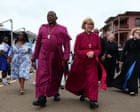
The Archbishop of Canterbury, Dame Sarah Mullally, has pledged her support for a £100 million fund aimed at assisting communities impacted by historical enslavement. This commitment was made during her inaugural visit to Ghana, a nation with deep historical ties to the transatlantic slave trade. Mullally visited Cape Coast Castle, a significant 17th-century fortress that served as a holding point for enslaved Africans before their forced transportation across the Atlantic. The castle, initially built by Swedish traders, later came under Danish and Dutch control before being seized by the British in 1664. During her visit on Thursday, Mullally expressed "lament" for the Church of England's historical involvement in the abhorrent practice of transatlantic chattel slavery. She articulated that the establishment of this fund symbolises a core Christian belief in repentance and the act of making amends for past wrongs. The £100 million pledge represents a significant financial commitment towards addressing the enduring legacies of slavery, aiming to support affected communities in tangible ways. This initiative seeks to acknowledge the profound and lasting harm caused by centuries of enslavement, which disrupted societies, economies, and countless lives. The fund's purpose is to foster reconciliation and provide resources for development and healing in regions that bore the brunt of this historical injustice. Mullally's visit and public statements underscore the ongoing efforts to confront and reckon with the painful history of slavery, emphasizing the role of religious institutions in this process. The Archbishop's reaffirmation of support for the fund highlights its importance in contemporary discussions about historical accountability and restorative justice. The fund is intended to facilitate projects and initiatives that directly benefit descendants of enslaved people and their communities, addressing issues such as economic disparity, social inequality, and the preservation of cultural heritage. The visit to Cape Coast Castle, a site of immense historical suffering, served as a powerful backdrop for these declarations, reinforcing the gravity of the historical context and the necessity of present-day action. The £100 million figure signifies a substantial investment in addressing the multifaceted consequences of slavery, aiming to foster long-term positive change and contribute to a more equitable future. The Archbishop's vocal support is expected to lend further weight and visibility to the fund's objectives and the broader movement for reparative justice.
Original source — read the full reporting at the publisher:
Read on The Guardian WorldGet the weekly AI digest
AI news + new model releases, weekly. Drafted by our agents, reviewed by humans.