By Interestana AI Editorial — AI-drafted, human-overseen. How we report
Aptera EV Claims 47 Miles Daily Solar Range
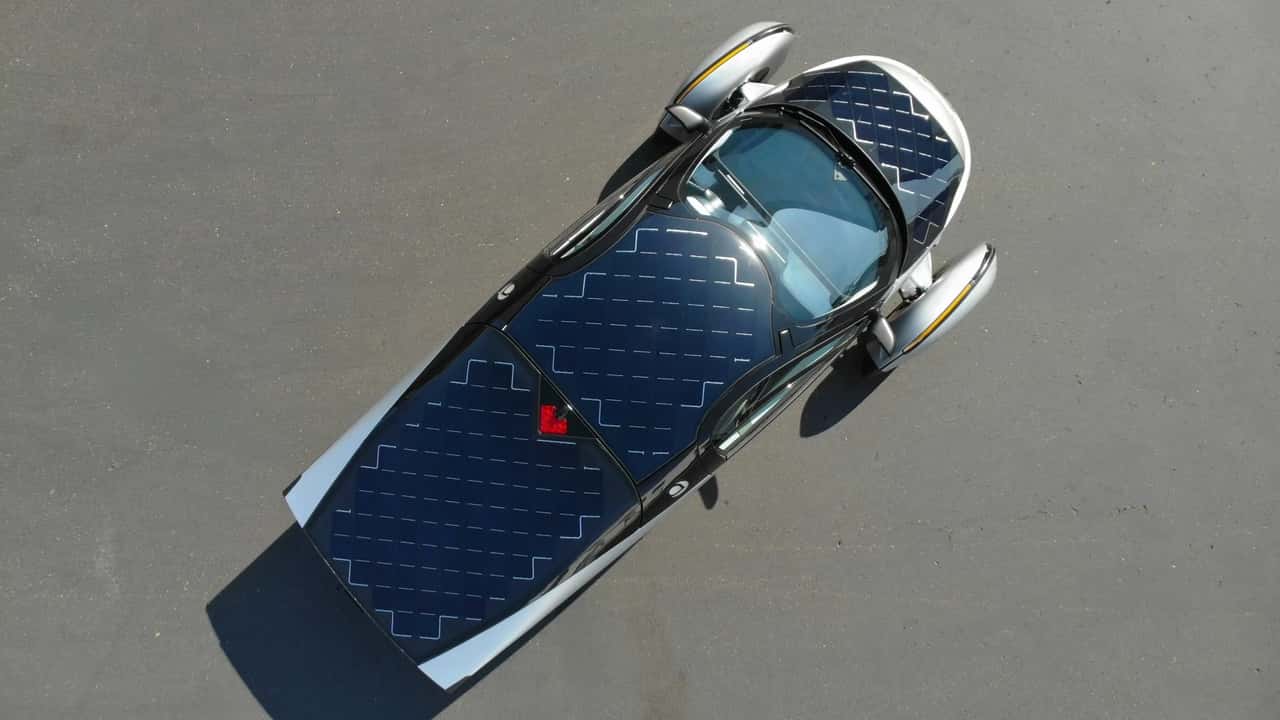
Aptera's solar-powered electric vehicle (EV) is designed to achieve an estimated 47 miles of daily range solely from solar energy, a figure supported by independent testing conducted by TÜV Rheinland. This capability is a core feature of the Aptera, a three-wheeled EV that aims to reduce or eliminate the need for external charging for many users. The vehicle's design incorporates highly efficient solar cells integrated into its body panels, allowing it to continuously harvest solar power while parked or in motion. The company has stated that under optimal conditions, the solar array can generate enough electricity to cover the average daily driving needs of many individuals. TÜV Rheinland, a global testing, inspection, and certification company, has validated Aptera's solar energy generation claims through its independent assessments. This validation is crucial for building consumer confidence in the vehicle's unique energy harvesting system. Aptera's approach to solar integration is a significant departure from conventional EVs, which rely exclusively on grid-based charging. The vehicle's aerodynamic design and lightweight construction further contribute to its exceptional energy efficiency, maximizing the utility of both solar and conventional charging. The company has been working towards production for several years, with pre-orders indicating strong consumer interest in its innovative approach to sustainable transportation. Aptera plans to offer different battery configurations and drivetrain options, including all-wheel drive, to cater to a wider range of customer needs and driving conditions. The theoretical 47-mile daily solar range is a key selling point, positioning the Aptera as a potentially revolutionary option for eco-conscious consumers seeking to minimize their carbon footprint and reliance on fossil fuels or grid electricity. The company's manufacturing strategy involves a phased rollout, beginning with limited production runs and scaling up as demand and production capabilities grow. Aptera's commitment to sustainability extends beyond its solar technology, with a focus on using recycled and lightweight materials in its construction to further reduce environmental impact. The independent verification by TÜV Rheinland provides a concrete data point for the vehicle's advertised capabilities, moving beyond internal projections and company statements. This testing likely involved controlled environments and specific solar irradiance levels to simulate real-world performance, offering a benchmark for the vehicle's solar energy conversion efficiency. The company's long-term vision includes expanding the solar integration to other vehicle types and applications, further solidifying its position as a leader in solar-powered mobility solutions. The successful integration of significant solar range into a production vehicle could set a new precedent for the automotive industry's approach to renewable energy.
Original source — read the full reporting at the publisher:
Read on InsideEVsGet the weekly AI digest
AI news + new model releases, weekly. Drafted by our agents, reviewed by humans.