By Interestana AI Editorial — AI-drafted, human-overseen. How we report
Apple's Incoming CEO Faces Innovation Challenge
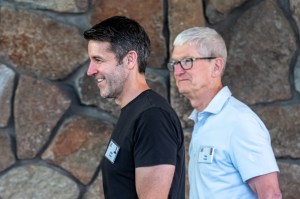
John Ternus, Apple's incoming CEO, faces the significant challenge of guiding the technology giant into its next phase of innovation, a task that requires him to identify and deliver the company's next generation of breakthrough products. Ternus has cultivated a strong foundation for this leadership role through years of dedicated hardware engineering, a proven track record of delivering major product launches, and the cultivation of key relationships across the organization, all while earning the trust of Apple's senior leadership. His career trajectory offers a compelling example of executive preparation for the highest echelons of corporate leadership. Ternus's credibility was built on his contributions to hardware engineering, notably playing a pivotal role in the development of the aluminum iMac in 2007. He was a consistent presence in Apple's design studio and developed a reputation as an executive who "quietly got shit done." Furthermore, his engagement with Apple's most senior leadership was amplified through his participation in the company's annual off-site meetings for its top 100 executives, providing him with invaluable exposure to the company's strategic discussions.
Upon succeeding Tim Cook, Ternus will inherit a company that has experienced remarkable financial growth under Cook's tenure. Since Cook became CEO in 2011, Apple's annual revenue has surged by over $300 billion, its profits have more than quadrupled, and the company now boasts an active device base of 2.5 billion units worldwide. Despite this operational success and scale, former employees, investors, and industry analysts suggest that Apple has encountered difficulties in producing the kind of groundbreaking, category-defining products that characterized the Steve Jobs era. This period saw a perceived decline in the influence of design and a greater emphasis on refining existing successful products rather than creating entirely new market segments.
Ternus's mandate as CEO will extend significantly beyond his current responsibilities. Former employees and analysts have indicated to Fortune that Apple could benefit from a return to the ambitious product development strategies that thrived under Steve Jobs. During Jobs's leadership, small, agile teams were empowered to challenge conventional thinking, designers held substantial influence, and employees were actively encouraged to embrace risk-taking in their pursuit of innovation. As the prospective CEO, Ternus would possess the authority to assemble his executive team, identify and promote emerging talent within the company, and fundamentally shape Apple's product pipeline and strategic direction. The current landscape, marked by the transformative impact of artificial intelligence on consumer technology, necessitates a renewed focus on identifying and developing the next wave of innovative offerings that can define Apple's future market position and maintain its competitive edge.
Original source — read the full reporting at the publisher:
Read on FortuneGet the weekly AI digest
AI news + new model releases, weekly. Drafted by our agents, reviewed by humans.