By Interestana AI Editorial — AI-drafted, human-overseen. How we report
Apple Upgrade Plan Offers Lower Monthly Payments With Ownership Trade-offs
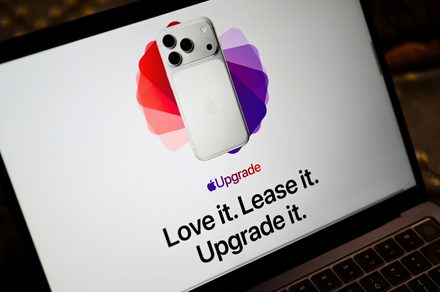
Apple's Upgrade Program offers a pathway to acquire iPhones, Macs, iPads, and Apple Watches with reduced monthly payments, a feature that can appear financially attractive on the surface. This program allows consumers to spread the cost of a new device over a set period, often resulting in a lower immediate financial outlay compared to outright purchase or standard financing. However, the primary mechanism through which these lower monthly costs are achieved is by structuring the plan as a lease rather than a traditional installment sale. This means that at the end of the payment term, users do not own the device outright. Instead, they are presented with options that typically include upgrading to a new model, returning the current device, or, in some cases, purchasing the device at its residual value, which can be higher than anticipated.
The core trade-off in the Apple Upgrade Program is the forfeiture of ownership throughout the payment period. Unlike a loan where payments build equity towards full ownership, the Upgrade Program is designed to facilitate continuous upgrades. This model benefits Apple by encouraging a more frequent upgrade cycle for its products, ensuring a steady stream of revenue and customer engagement with its latest hardware. For consumers, the convenience of easily transitioning to the newest technology each year is a significant draw. However, this convenience comes at the cost of not building ownership equity in the device they are using. The resale value of the device, which is a common consideration for many consumers looking to recoup some of their investment, is also impacted. By leasing the device, users cannot sell it to a third party during the payment term, and the residual purchase option may not align with market resale prices.
Furthermore, the program's structure can obscure the total cost of ownership over time, especially for users who do not consistently upgrade. If a user decides to keep the device at the end of the term, the final payment to gain ownership might be substantial. This contrasts with traditional financing where the total amount paid over the term equals the device's retail price plus any applicable interest. The Apple Upgrade Program, by design, aims to keep users within Apple's ecosystem and on a predictable upgrade path. While it offers a method to manage monthly expenses and access new technology more readily, potential participants are advised to carefully consider the long-term financial implications and the loss of ownership and resale flexibility inherent in the program. Understanding that the lower monthly cost is a direct result of not owning the device until the final payment, if at all, is crucial for making an informed decision.
Original source — read the full reporting at the publisher:
Read on Digital TrendsGet the weekly AI digest
AI news + new model releases, weekly. Drafted by our agents, reviewed by humans.