By Interestana AI Editorial — AI-drafted, human-overseen. How we report
Apple's Foldable iPhone Duo Redesigns iOS Interface for Vertical Orientation
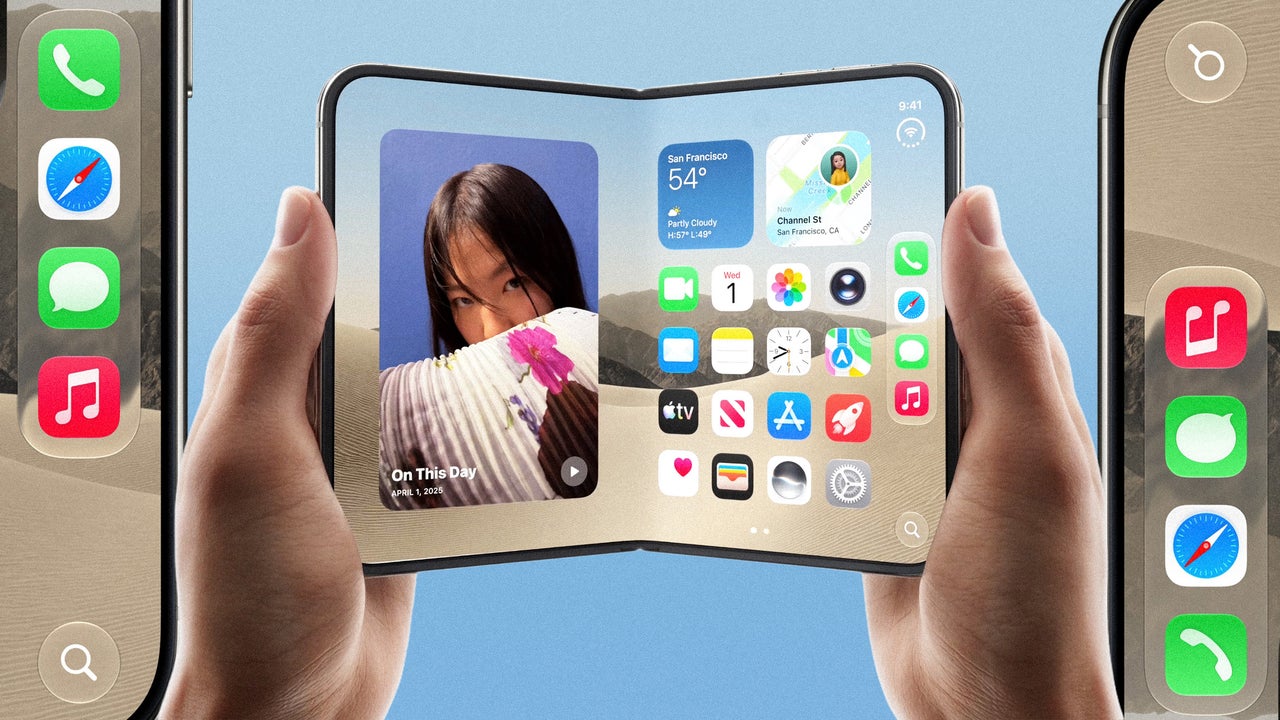
Apple has officially entered the foldable smartphone market with the introduction of the iPhone Duo, a device that not only adopts a novel folding form factor but also fundamentally reimagines its user interface through the accompanying iOS 27 operating system. This strategic shift is designed to fully capitalize on the expanded screen real estate offered by the foldable design. A cornerstone of this UI overhaul is the relocation of the home screen dock, a feature that has maintained a consistent horizontal position at the bottom of every iPhone interface since the original iPhone's debut in 2007. In iOS 27, this dock, along with other primary controls, has been moved to the side of the screen. This vertical orientation serves a dual purpose: it maximizes the usable display area when the iPhone Duo is unfolded, presenting a more expansive canvas, and it strategically places essential controls within closer proximity to the user's thumb, a significant ergonomic advantage for a device that unfolds to a longer, taller aspect ratio. Crucially, these repositioned controls maintain their side placement regardless of whether the phone is open or closed, ensuring a seamless and predictable user experience across different states. During the unveiling event on Wednesday, Apple executives highlighted that this departure from established iPhone design paradigms necessitated a comprehensive reevaluation and adjustment of every application's layout, challenging long-standing user interface principles. The status bar, traditionally a horizontal band displaying icons for Wi-Fi, cellular signal strength, and battery life, has undergone a significant transformation. It has been redesigned into a more compact, circular graphic, consolidating this vital information into a single, visually distinct element. The larger display of the iPhone Duo also unlocks advanced multitasking capabilities. Users can now view two distinct home screens simultaneously when the device is unfolded, or run two separate applications side-by-side, enhancing productivity and workflow. For instance, applications like Mail can now operate in a full-screen mode that concurrently displays both the inbox list and the content of a selected message, offering a richer contextual view. Furthermore, the iPhone Duo marks a significant milestone as the first iPhone model to offer native support for the Apple Pencil. This integration signals Apple's intent to position the device not just as a communication tool but also as a platform for enhanced creativity and productivity, potentially competing with established stylus-enabled devices. Despite these substantial modifications to the user interface, Apple emphasized its commitment to maintaining a sense of familiarity and intuitiveness for existing iPhone users. The company's approach aims to ensure that while the UI operates on a different axis, its core functionality remains accessible and natural, a critical balance for driving adoption in the highly competitive smartphone market where user habits are deeply ingrained.
Original source — read the full reporting at the publisher:
Read on Fast CompanyGet the weekly AI digest
AI news + new model releases, weekly. Drafted by our agents, reviewed by humans.