By Interestana AI Editorial — AI-drafted, human-overseen. How we report
Apple Unveils AI-Centric Ecosystem with New iPhones, Watches, and AirPods
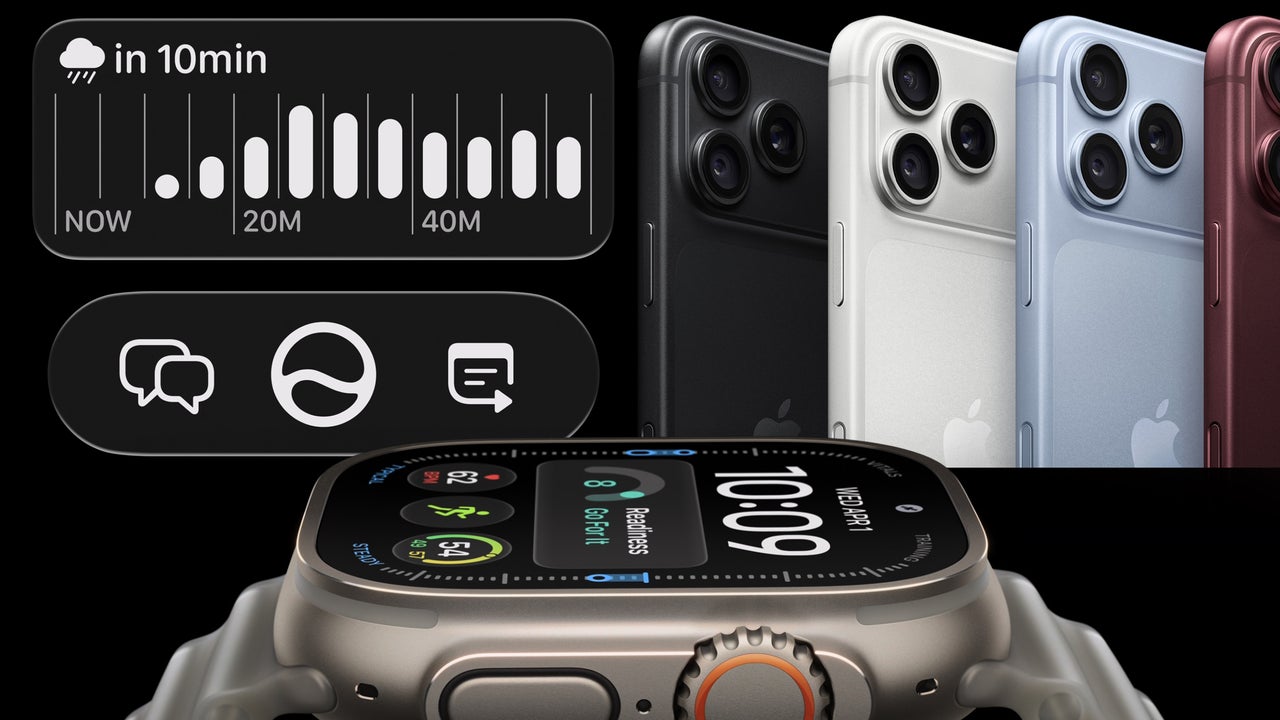
Apple's latest hardware releases, encompassing the iPhone 18 series, the innovative Duo foldable phone, AirPods 5, and the Apple Watch Series 12 and Ultra 4, are being strategically positioned as central conduits for personal artificial intelligence (AI) experiences. At a recent hardware event, Apple's CEO, John Ternus, articulated this vision, explaining how AI is poised to fundamentally transform the user experience across Apple's device ecosystem. Ternus emphasized that these new products are "purpose built to serve as your own intelligent personal hub," highlighting their advanced capabilities in capturing and understanding users' personal and contextual data, which is crucial for sophisticated AI functions.
A significant technological leap underpinning this strategy is Apple's intensified focus on on-device AI processing. This approach aims to reduce reliance on cloud computing, thereby enhancing privacy, speed, and responsiveness. The new A20 Pro chips, which power the premium iPhone 18 Pro and Pro Max models, as well as the Duo foldable phone, are a testament to this commitment. These chips feature a second "neural engine" accelerator, a dedicated component for AI computations. Apple states that this new dual 16-core Neural Engine delivers twice the computational power for running on-device AI models compared to the chips found in previous iPhone generations, enabling more complex AI tasks to be executed directly on the device.
The centerpiece of the new iPhone models is a significantly upgraded Siri, now powered by what Apple calls "Apple Intelligence." This advanced AI assistant is designed to be far more context-aware and capable. It can draw upon a user's personal data, including messages, emails, and photos, to proactively assist them. Furthermore, Siri can leverage on-screen awareness to interact with content displayed on the user's screen, enabling actions like summarizing information or booking appointments directly from an email. Its ability to answer questions across a vast array of topics is also substantially enhanced.
Apple had initially announced this AI-powered Siri in spring 2024, but developmental roadblocks and performance issues necessitated a delay in its public launch until this year. This cautious approach has drawn commentary from industry analysts. Tom Mainelli, an analyst at International Data Corp., noted that Siri AI will remain in beta even after the new operating system versions featuring it are released later this quarter. Mainelli suggested that Apple's "slow rolling Siri AI may prove to be the right call long term," implying a strategic decision to ensure stability and user satisfaction before a full rollout.
The unique foldable design of the Duo phone offers a novel interaction paradigm for Siri AI. Users can engage in a conversation with the AI assistant while simultaneously viewing other content on the opposite side of the screen, facilitating a more integrated and multitasking-friendly AI experience. This strategic integration of advanced AI capabilities across its core hardware ecosystem underscores Apple's commitment to differentiating its products through enhanced personal intelligence and a more seamless, context-aware user experience, aiming to solidify its position in the increasingly competitive AI-driven technology landscape.
Original source — read the full reporting at the publisher:
Read on Fast CompanyGet the weekly AI digest
AI news + new model releases, weekly. Drafted by our agents, reviewed by humans.