By Interestana AI Editorial — AI-drafted, human-overseen. How we report
Apple Considers Round Display for Future Apple Watch
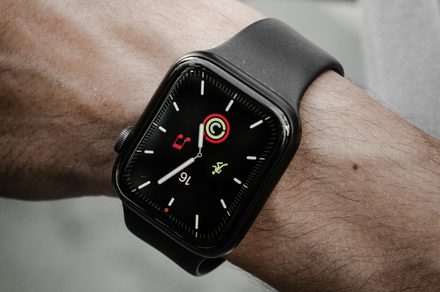
Apple is reportedly exploring the integration of a circular display into future iterations of its Apple Watch, a move that could significantly alter the device's aesthetic and user experience. This potential design shift, detailed in recent reports, suggests a departure from the current rectangular screen that has characterized the Apple Watch since its inception in April 2015. The adoption of a round display is anticipated to enhance the watch's visual appeal, aligning it more closely with traditional watchmaking aesthetics and potentially broadening its market appeal to a wider demographic.
However, the transition to a circular screen is not without its technical and design hurdles. Developers and Apple's software engineers would face considerable challenges in adapting watchOS, the operating system that powers the Apple Watch, to accommodate the new form factor. Current applications and user interfaces are optimized for the existing rectangular display, and reconfiguring them for a circular layout could necessitate substantial redesign efforts. This includes how information is presented, how users interact with apps through taps and swipes, and the overall information density that can be displayed effectively. The circular design might also impact the efficiency of information conveyance, potentially requiring users to scroll or navigate more to access the same amount of data compared to the current layout.
Beyond software, a circular display could introduce complexities in hardware design and battery life. Integrating components such as sensors, processors, and the battery within a round chassis might require innovative engineering solutions to maintain or improve upon the current device's internal layout and power management. Battery life, a critical consideration for any wearable device, could be particularly affected. The shape and placement of the battery, as well as the power consumption of a potentially larger or differently shaped display, would need careful optimization to ensure the Apple Watch continues to offer a full day's usage or more on a single charge. Furthermore, the manufacturing process for a circular display and its integration into a rounded casing could present new production challenges and potentially increase costs.
The Apple Watch, launched by Apple Inc. in 2015, has evolved significantly over its various generations, introducing features like cellular connectivity, advanced health monitoring sensors (including ECG and blood oxygen tracking), and a robust app ecosystem. The current Series 9, released in September 2023, features a Retina LTPO OLED display with a brightness of up to 2000 nits. A move to a circular display would represent one of the most fundamental design changes in the product's history, aiming to balance stylistic innovation with the practical demands of a smartwatch's functionality and performance. The company's exploration of this design concept underscores its continuous effort to innovate within the competitive wearable technology market, where aesthetic appeal and user experience are paramount.
Original source — read the full reporting at the publisher:
Read on Digital TrendsGet the weekly AI digest
AI news + new model releases, weekly. Drafted by our agents, reviewed by humans.