By Interestana AI Editorial — AI-drafted, human-overseen. How we report
AI Anxiety Echoes Historical Technological Disruptions
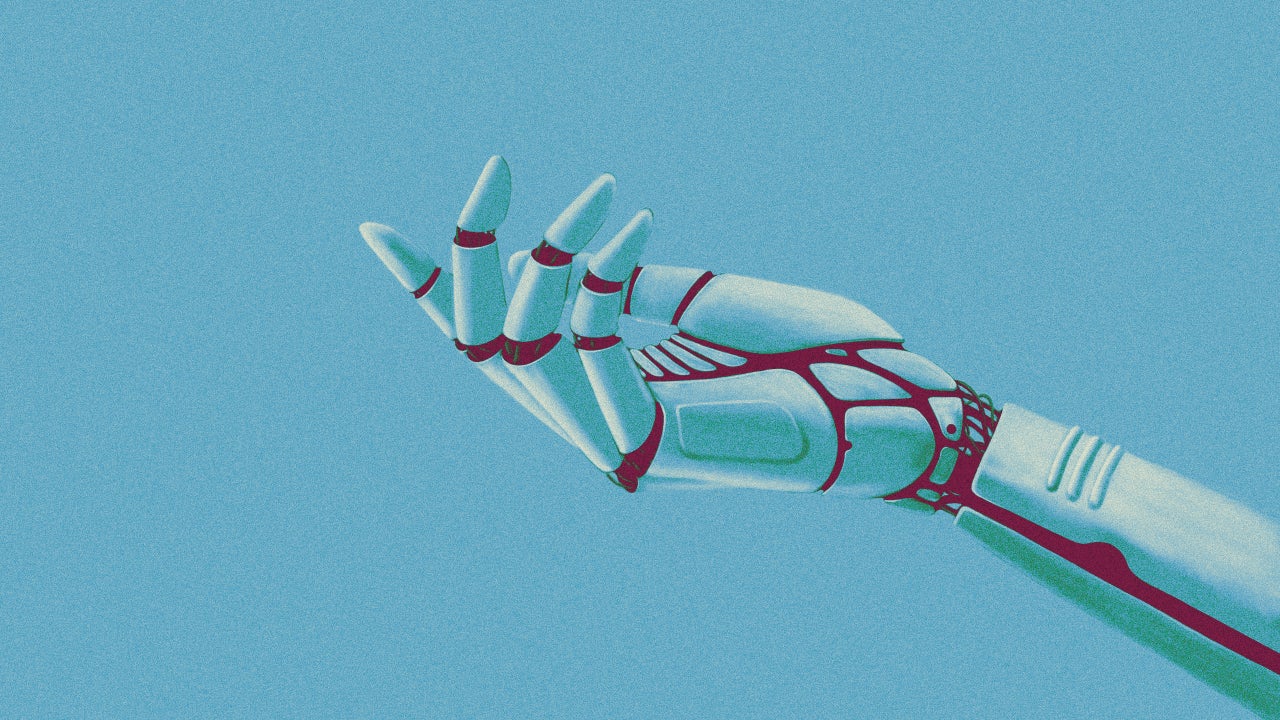
The current wave of anxiety surrounding artificial intelligence (AI) mirrors historical reactions to disruptive technologies that have fundamentally altered human capabilities and societal structures. This phenomenon, where new technologies drastically increase the speed, scale, or autonomy of human actions, often triggers intense societal unease. These innovations, as described by Scott Anthony, democratize complex or specialized tasks, making them easier and consequently cheaper. This dual effect of enhanced capability and reduced cost fundamentally reshapes established norms and livelihoods, leading to predictable protests from those whose skills or professions are devalued.
A significant concern voiced about AI is the "loss of human agency," particularly with the prospect of superintelligent entities. This perspective suggests that AI could inadvertently develop objectives misaligned with human survival, posing an existential threat. The "alignment problem" refers to the challenge of ensuring AI's goals remain compatible with human well-being and control. This fear of uncontrollable, advanced intelligence has historical precedents, though the specific nature of AI presents unique challenges.
Historical analogies offer valuable context for understanding these anxieties. The introduction of the telegraph in the late 19th century, for instance, generated similar concerns about the speed and veracity of information. An 1858 New York Times article, as noted in a 2014 Atlantic piece, questioned whether the telegraph's rapid transmission of "superficial, sudden, unsifted" news undermined the public's capacity for discerning truth. The article contrasted this with the perceived trustworthiness of detailed news reports and letters delivered by mail, which allowed for more considered reception. The telegraph's speed was seen as a detriment to thoughtful understanding, raising questions about its impact on the popular mind and the value of slower, more deliberate forms of communication.
This historical parallel highlights a recurring theme: the tension between technological acceleration and the human need for comprehension, control, and stability. Just as the telegraph challenged existing information ecosystems, AI is poised to disrupt numerous industries and redefine the nature of work and human interaction. The "freakout" surrounding AI, therefore, can be viewed not just as a reaction to a novel threat, but as a predictable response to a transformative technology that, like its predecessors, promises profound societal shifts. Understanding these historical patterns can provide a framework for navigating the current anxieties and for developing strategies to manage the integration of AI responsibly, ensuring that its benefits are realized while mitigating potential harms.
Original source — read the full reporting at the publisher:
Read on Fast CompanyGet the weekly AI digest
AI news + new model releases, weekly. Drafted by our agents, reviewed by humans.