By Interestana AI Editorial — AI-drafted, human-overseen. How we report
Anti-Surveillance Clothing Becomes More Affordable
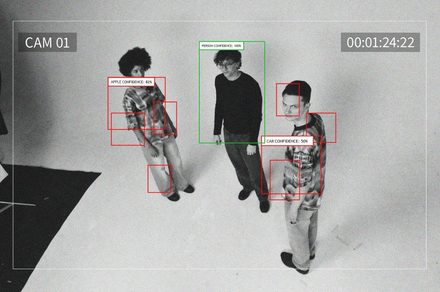
Anti-surveillance clothing is becoming increasingly affordable, moving from niche applications towards mainstream adoption. This trend suggests a growing consumer interest in personal privacy against digital monitoring. However, the current effectiveness of these garments is primarily limited to disrupting specific types of computer vision systems, rather than offering complete invisibility.
The technology behind anti-surveillance clothing relies on patterns designed to confuse algorithms used in facial recognition and object detection. These patterns, often featuring high-contrast and irregular designs, exploit how machine learning models process visual data. While these patterns can cause software to misidentify or fail to detect individuals, they do not render a person physically invisible. The effectiveness is highly dependent on the specific algorithms and camera systems being used, meaning protection is not universal.
As the cost of producing these specialized fabrics decreases, more consumers can incorporate them into their daily attire. This accessibility shifts the perception of anti-surveillance clothing from a tool for activists or those in high-risk professions to a more general privacy-enhancing option. Companies are exploring various designs and materials to make the clothing both functional and fashionable, aiming to integrate privacy features seamlessly into everyday wear.
Despite the advancements in affordability and design, experts caution that these garments are not a foolproof solution for privacy. The ongoing development of AI and computer vision means that algorithms are constantly improving, potentially overcoming the disruptive patterns used in current anti-surveillance clothing. For now, the garments serve more as a statement of privacy intent and a partial deterrent against basic surveillance technologies, rather than a comprehensive shield against all forms of digital observation.
Original source — read the full reporting at the publisher:
Read on Digital TrendsGet the weekly AI digest
AI news + new model releases, weekly. Drafted by our agents, reviewed by humans.