By Interestana AI Editorial — AI-drafted, human-overseen. How we report
Anthropic Pays $1.5 Billion for Pirated Books, Can Still Destroy Purchased Ones
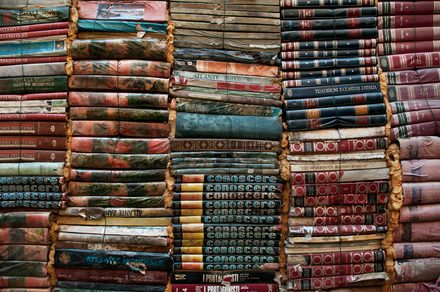
Artificial intelligence company Anthropic has agreed to a $1.5 billion settlement to resolve claims of copyright infringement related to the use of pirated ebooks in training its AI models. This significant financial agreement addresses the core allegations of unauthorized reproduction and distribution of copyrighted literary works. The settlement, however, does not preclude Anthropic from continuing to process and potentially destroy lawfully purchased physical books. A separate court ruling has affirmed Anthropic's right to scan and dispose of print books that it has legally acquired, a decision that has sparked considerable concern among Australian secondhand booksellers.
The distinction between pirated digital content and legitimately purchased physical copies is central to the ongoing debate. While the $1.5 billion payment is intended to compensate copyright holders for the unauthorized use of their digital content, the permission to destroy physical books introduces a new layer of complexity for the used book market. Secondhand sellers are worried that this ruling could devalue their inventory and disrupt their business models, as the future of their stock, even when legally obtained, becomes uncertain. The potential for AI companies to acquire and then destroy physical books raises questions about preservation, access, and the long-term viability of the secondhand book trade.
This legal and ethical quandary highlights the evolving challenges at the intersection of artificial intelligence development and intellectual property rights. Anthropic, known for its AI models like Claude, is navigating a landscape where the digital and physical realms of information present different legal considerations. The settlement underscores the substantial financial implications of copyright violations in the AI industry, while the court's decision on physical books points to potential operational practices that could impact traditional industries reliant on physical media. The outcome of these legal proceedings could set precedents for how AI companies interact with copyrighted material, both in digital and physical formats, and how these interactions affect established markets and cultural institutions.
Australian secondhand booksellers are particularly apprehensive about the implications of Anthropic's ability to scan and destroy purchased print books. They fear that this practice could lead to a significant reduction in the availability of used books, impacting both their livelihoods and the broader cultural landscape that benefits from the circulation of affordable literature. The ability for a company to acquire physical assets and then render them unusable, even if legally obtained, presents a novel challenge to the established norms of commerce and ownership. The industry is now closely watching how this ruling will be implemented and what broader effects it might have on the market for used books and the preservation of literary heritage.
Original source — read the full reporting at the publisher:
Read on Digital TrendsGet the weekly AI digest
AI news + new model releases, weekly. Drafted by our agents, reviewed by humans.