By Interestana AI Editorial — AI-drafted, human-overseen. How we report
Fauci Declines to Answer Senate Questions
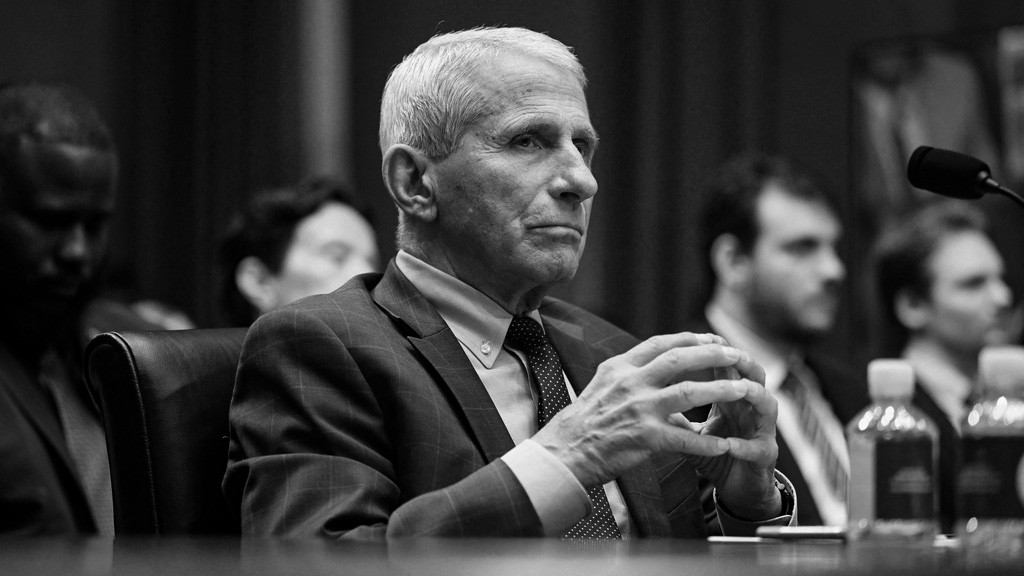
Dr. Anthony Fauci, the former Director of the National Institute of Allergy and Infectious Diseases (NIAID), declined to answer questions posed by Senate Republicans on January 11, 2024, invoking his Fifth Amendment right against self-incrimination. The hearing, conducted by the Senate Homeland Security and Governmental Affairs Committee, focused on the origins of the COVID-19 pandemic and the government's response. Republicans on the committee had prepared a series of questions concerning the origins of the virus, the efficacy of public health measures such as mask mandates and lockdowns, and the funding of gain-of-function research at the Wuhan Institute of Virology. Senator Rand Paul, a vocal critic of Fauci's pandemic policies, was among those present and questioning Fauci. Fauci's decision to invoke his Fifth Amendment right means he cannot be compelled to provide testimony that could incriminate him. This action is a significant development in the ongoing congressional investigations into the federal government's handling of the COVID-19 pandemic. The committee's chairman, Senator Roger Marshall, stated that Fauci's refusal to answer questions was "disappointing" and that the committee would continue its investigation. Republicans have long sought to scrutinize Fauci's role and the scientific advice he provided during the pandemic, particularly regarding the lab leak hypothesis and the origins of SARS-CoV-2. Fauci, who served as Chief Medical Advisor to President Joe Biden until December 2022, has been a central figure in the U.S. public health response to infectious diseases for decades. His testimony was considered crucial by many lawmakers seeking to understand the decision-making processes that shaped the nation's response to the unprecedented global health crisis. The committee's investigation aims to identify potential failures and recommend policy changes to better prepare for future pandemics. Fauci's legal team had previously indicated that he would cooperate with the committee's investigation, but his decision to invoke the Fifth Amendment suggests concerns about potential legal ramifications stemming from his testimony. The committee has indicated it may seek to compel Fauci's testimony through other means or pursue alternative avenues to gather information. The implications of Fauci's silence are likely to fuel further debate and scrutiny surrounding the pandemic's origins and the government's response, with Republicans continuing to press for answers on issues they deem critical to public trust and future preparedness.
Original source — read the full reporting at the publisher:
Read on The AtlanticGet the weekly AI digest
AI news + new model releases, weekly. Drafted by our agents, reviewed by humans.