By Interestana AI Editorial — AI-drafted, human-overseen. How we report
Anthony Fauci: A Public Health Leader Thrust into the Spotlight by Presidential Inaction
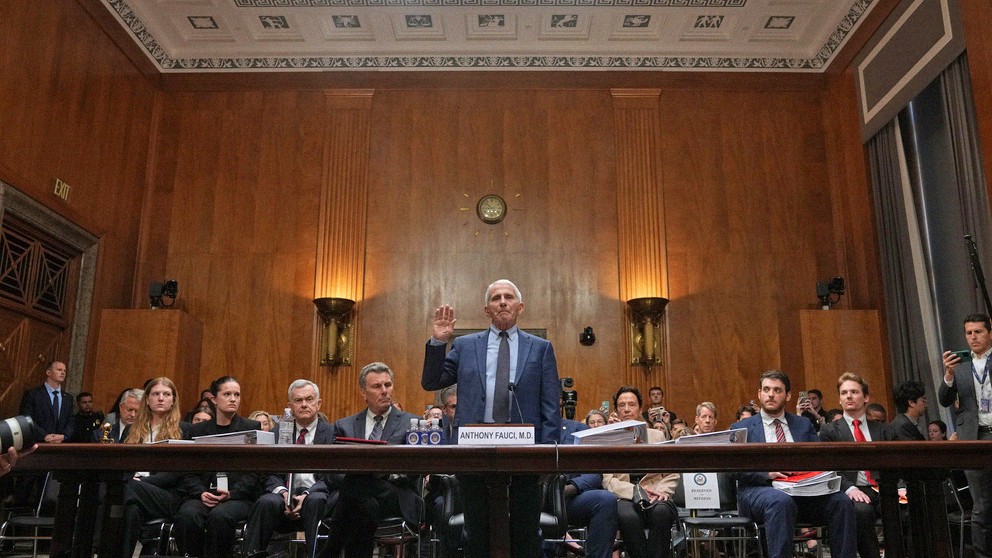
Dr. Anthony Fauci, a distinguished immunologist and long-serving public health official, was thrust into a highly visible leadership role during the COVID-19 pandemic. This narrative posits that his prominent position was not a result of personal ambition but rather a consequence of what is described as former President Donald Trump's "deadly dereliction of duty" in addressing the burgeoning public health crisis. Fauci, who served as the Director of the National Institute of Allergy and Infectious Diseases (NIAID) for over three decades and as Chief Medical Advisor to the President, became a central figure in communicating public health guidance to a concerned nation. His extensive experience in virology and infectious diseases, including his work on HIV/AIDS and Ebola, made him a logical choice to lead scientific and public health responses.
The argument presented here suggests that the severity of the COVID-19 pandemic and the subsequent reliance on figures like Fauci for guidance were directly exacerbated by the Trump administration's initial approach. This approach is characterized as a failure to adequately prepare, respond, and communicate effectively, creating a vacuum in leadership that Fauci, as a senior government scientist, was compelled to fill. Rather than being an architect of policy in a vacuum, Fauci is portrayed as a public servant operating within a complex and often politically charged environment. The "dereliction of duty" attributed to the Trump administration is presented as the foundational cause for the pandemic's escalation and the subsequent intense public scrutiny on health officials.
This perspective challenges common criticisms and the portrayal of Dr. Fauci as a "villain" or an overreaching bureaucrat. Instead, it advocates for understanding his role as a necessary response to a crisis that was significantly worsened by perceived failures in presidential leadership. The piece aims to shift the focus from individual actions of public health officials to the broader context of the administration's response. It implies that a more robust and proactive presidential response could have altered the trajectory of the pandemic, potentially diminishing the intense public profile and scrutiny that Fauci ultimately faced. The core assertion is that the pandemic's severity and the nature of the public health response were profoundly shaped by the political leadership at the time, with Fauci acting as a key, albeit reluctant, figure within that challenging landscape.
Original source — read the full reporting at the publisher:
Read on The AtlanticGet the weekly AI digest
AI news + new model releases, weekly. Drafted by our agents, reviewed by humans.