By Interestana AI Editorial — AI-drafted, human-overseen. How we report
AI Art Debate Intensifies Over Museum Inclusion
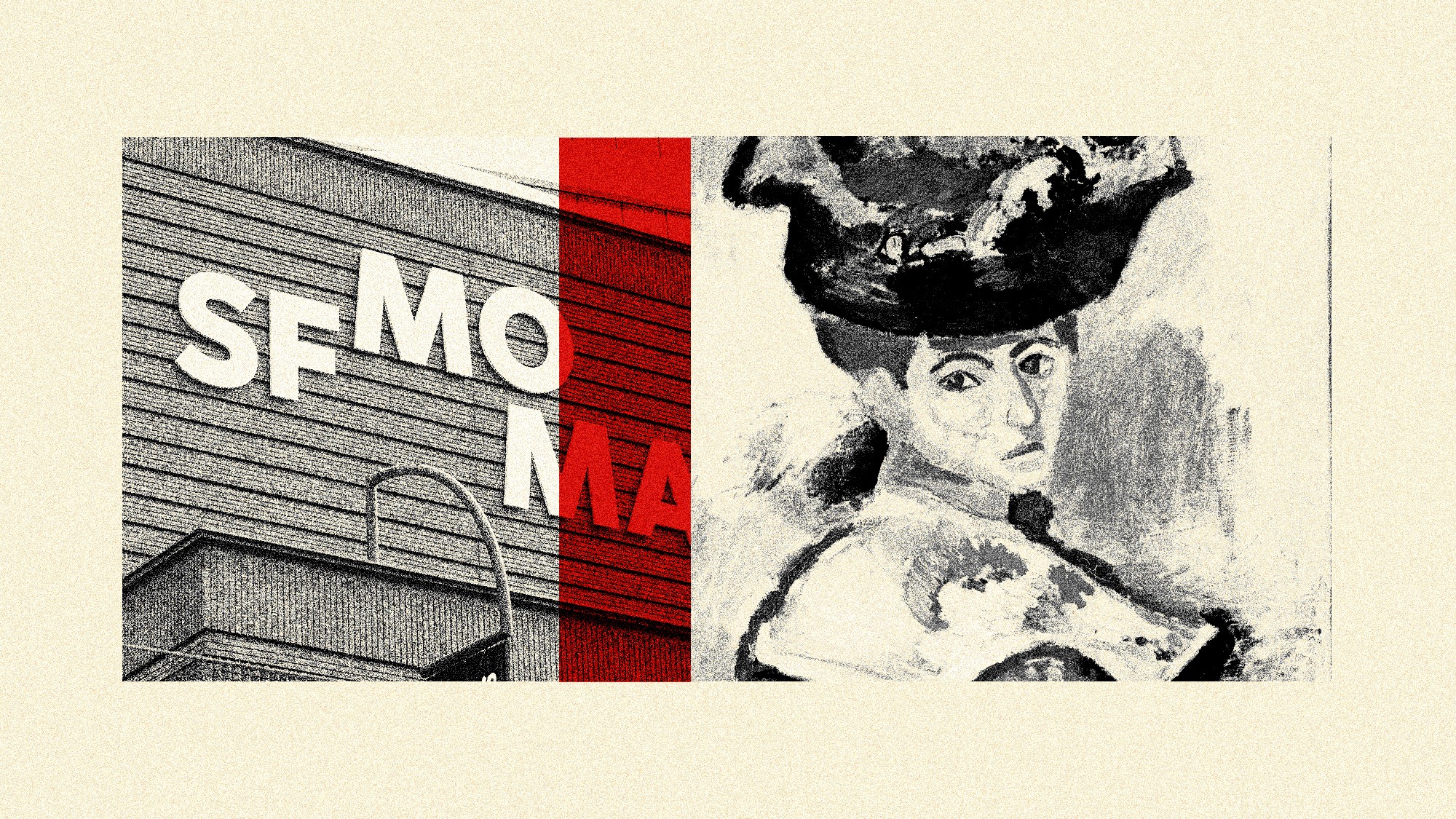
The question of whether artificial intelligence-generated art belongs in traditional art museums has become a significant point of contention within the art world. This debate centers on the definition of art, the role of the artist, and the curatorial responsibilities of institutions tasked with preserving and presenting cultural heritage. Critics argue that AI art lacks the human intention, emotional depth, and lived experience that have historically defined artistic creation. They posit that while AI can generate aesthetically pleasing images, these outputs are the result of algorithms processing vast datasets of existing human-created art, rather than stemming from a unique consciousness or personal narrative. This perspective suggests that exhibiting AI art in museums risks devaluing human creativity and blurring the lines between genuine artistic expression and sophisticated technological output.
Conversely, proponents of AI art argue that the technology is merely a new tool, akin to the camera or digital software, which artists can utilize to explore new creative frontiers. They contend that the human element remains crucial in the AI art process, from the initial conceptualization and prompt engineering to the selection, refinement, and presentation of the final output. In this view, the artist's role evolves to that of a curator or director, guiding the AI to achieve a specific artistic vision. Supporters also point to the potential for AI to democratize art creation, allowing individuals without traditional artistic training to produce compelling visual works. They believe that museums should embrace these new forms of expression to remain relevant and reflective of contemporary culture and technological advancements.
The debate is further complicated by the rapid evolution of AI capabilities. As AI models become more sophisticated, their outputs can mimic human styles and generate novel imagery with increasing complexity. This raises questions about authorship and originality. If an AI can produce a work indistinguishable from that of a human master, how should it be classified and valued? Museums are grappling with these questions as they consider acquiring or exhibiting AI-generated pieces. The potential for AI to generate art at scale also presents challenges for the art market and the established hierarchies of artistic value.
Ultimately, the inclusion of AI art in museums forces a re-examination of fundamental questions about creativity, authorship, and the very purpose of art in society. As technology continues to advance, these discussions are likely to intensify, shaping the future of artistic discourse and institutional practices. The outcome of this debate will have significant implications for artists, collectors, critics, and the public's understanding and appreciation of art in the 21st century.
Original source — read the full reporting at the publisher:
Read on The AtlanticGet the weekly AI digest
AI news + new model releases, weekly. Drafted by our agents, reviewed by humans.