By Interestana AI Editorial — AI-drafted, human-overseen. How we report
Liberals and Conservatives Differ on Family Size
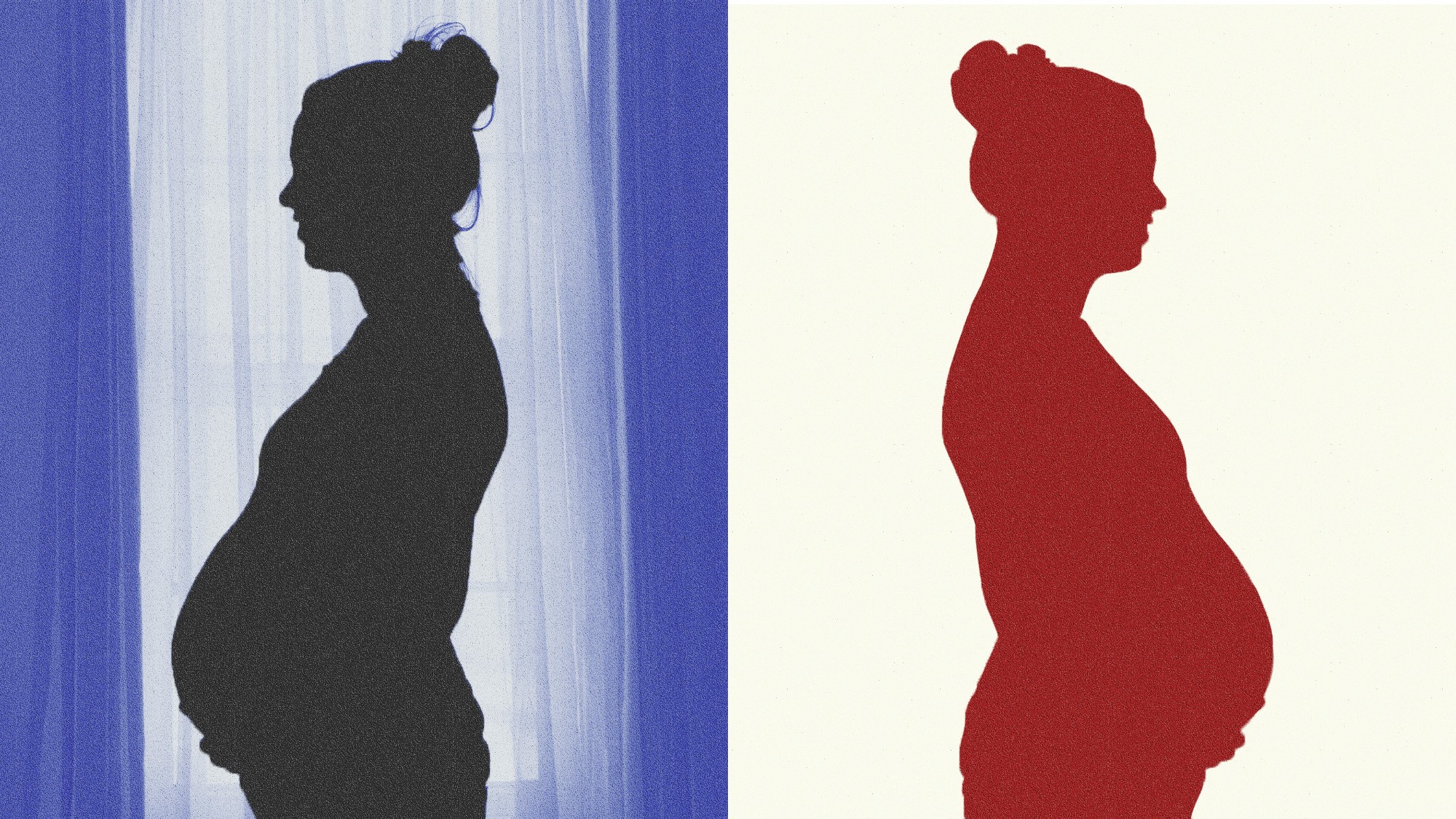
A significant demographic and ideological difference exists between liberal and conservative individuals regarding family size, with conservatives tending to have more children. This observation stems from analyses of population trends and self-reported political affiliations, suggesting a correlation between political ideology and reproductive choices. While the exact causal mechanisms are complex and multifaceted, several factors are commonly cited in sociological and demographic studies to explain this disparity. These include differing views on the role of family in society, religious beliefs that often encourage larger families, and varying economic or social priorities.
Conservatism, as a political philosophy, often emphasizes traditional values, which can include the importance of a nuclear family and procreation. Many conservative religious doctrines also promote larger families as a blessing or a moral imperative. In contrast, liberal ideologies may place greater emphasis on individual autonomy, career development, and social issues that might lead to delayed childbearing or smaller family sizes. Furthermore, access to and attitudes towards contraception and family planning can differ between these groups, influenced by their respective social and political environments.
Studies examining fertility rates across the political spectrum have consistently shown a gap. For instance, data from various national surveys have indicated that individuals identifying as conservative or very conservative report having, on average, more children than those identifying as liberal or very liberal. This trend is not uniform across all demographics or geographic regions but represents a general pattern observed in many Western societies. The reasons behind this are likely a combination of cultural norms, religious adherence, and differing life priorities that are often associated with these political leanings.
Sociologists and demographers suggest that these differences in family size can have long-term implications for societal demographics, economic structures, and political landscapes. For example, a population with a higher proportion of individuals from larger families may experience different patterns of consumption, demand for social services, and future voting blocs. Understanding these ideological divides in family planning is crucial for comprehending broader societal trends and for policymakers aiming to address demographic challenges or social support needs.
Original source — read the full reporting at the publisher:
Read on The AtlanticGet the weekly AI digest
AI news + new model releases, weekly. Drafted by our agents, reviewed by humans.