By Interestana AI Editorial — AI-drafted, human-overseen. How we report
Andy Serkis' Animal Farm Adaptation Criticized for Blandness
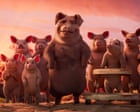
Director Andy Serkis' animated adaptation of George Orwell's "Animal Farm" has been met with criticism for significantly altering the classic allegory of Stalinism. The film, which features voice work from Seth Rogen, Laverne Cox, and Glenn Close, is described as outrageously bland and defanged, presenting a dumbed-down, Disney-style happy ending that betrays the original novel's themes. The adaptation, penned by screenwriter Nicholas Stoller, transforms Orwell's 1945 work into a sugary animation with a cheap digital aesthetic.
The review highlights a pivotal moment where the pigs and humans appear indistinguishable, occurring around the one-hour mark of the 94-minute film. This shift initially suggested a potential for an ingenious finale, perhaps involving the demolition of a wall on the farm. However, the narrative deviates from this expectation. The character of Napoleon, voiced by Seth Rogen, eliminates his rival Snowball, voiced by Laverne Cox. Subsequently, Napoleon engages with corrupt human finances through a newly created agribusiness corporate character named Pilkington, voiced by Glenn Close. Napoleon then utilizes a Big Brother-style giant screen to address his followers, a departure from the novel's conclusion.
This adaptation's approach is seen as a significant departure from Orwell's original intent, reducing the passionate allegory on Stalinism to a simplified, happy-ending panto. The film's narrative choices, including the introduction of an agribusiness character and the use of modern communication technology like giant screens, contribute to its perceived dilution of the source material's critical commentary on revolution and totalitarianism.
Original source — read the full reporting at the publisher:
Read on The Guardian CultureGet the weekly AI digest
AI news + new model releases, weekly. Drafted by our agents, reviewed by humans.