By Interestana AI Editorial — AI-drafted, human-overseen. How we report
Android Auto May Soon Require Android 11 or Later
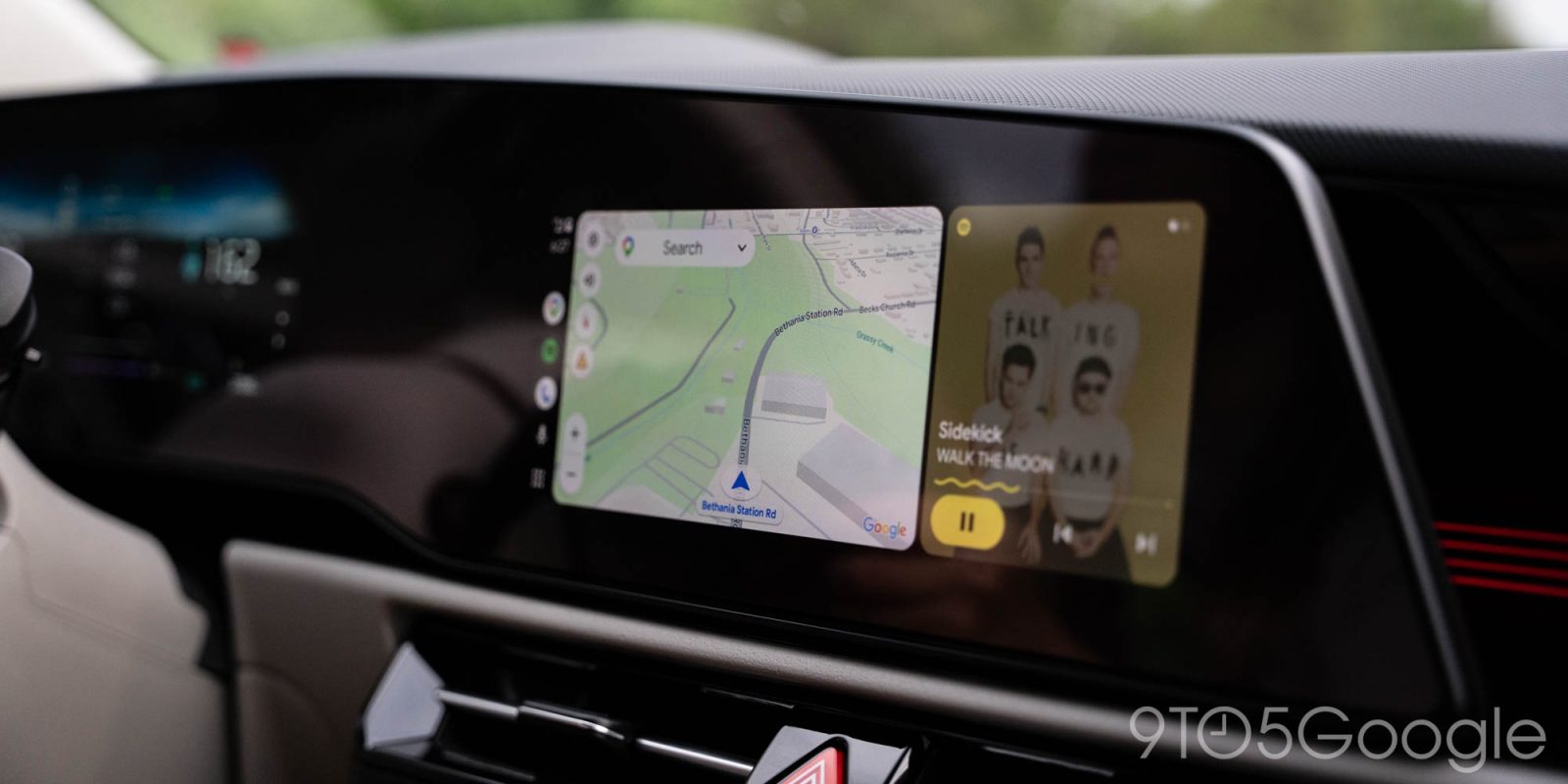
Android Auto, the in-car infotainment system developed by Google, may soon enforce a minimum operating system version of Android 11, according to reports from users. Several drivers have observed notifications on their devices indicating that their current setup, running Android 10, will no longer be supported for Android Auto functionality. This potential shift suggests that older Android devices, specifically those still operating on Android 10, could lose their ability to connect to and utilize Android Auto for navigation, communication, and entertainment purposes while driving.
The implications of this potential change are significant for a segment of Android users who have not yet upgraded their devices or operating systems. Android 10 was released in September 2019, and while many devices have received updates to newer versions of Android, a notable number may still be running this older iteration. The requirement for Android 11, released in September 2020, would effectively exclude these devices from using Android Auto. This could impact drivers who rely on Android Auto for essential functions, such as real-time traffic updates, hands-free calling, and access to their preferred music or podcast applications.
While Google has not officially announced a timeline or confirmed this upcoming requirement, the consistent reports from users suggest a planned rollout. The exact date for this potential enforcement remains unclear, but the emergence of these notifications indicates that the transition is likely imminent. Users experiencing these warnings are advised to check for available operating system updates for their Android devices. If an update to Android 11 or a later version is available, installing it would likely ensure continued compatibility with Android Auto. For those whose devices cannot be updated to Android 11 or higher, alternative solutions might include upgrading to a newer smartphone or exploring other in-car connectivity options if available.
This move by Google to raise the minimum Android version for Android Auto aligns with industry trends of phasing out support for older software to leverage the enhanced features and security improvements found in newer operating systems. Newer Android versions typically offer better performance, improved stability, and access to the latest application programming interfaces (APIs) that developers can utilize. By requiring Android 11, Google can ensure that Android Auto applications are built upon a more robust and modern foundation, potentially leading to a more reliable and feature-rich user experience for those who meet the updated requirements. The company's strategy often involves gradually deprecating support for older versions to streamline development and maintenance efforts, focusing resources on supporting the most prevalent and capable operating system versions.
Original source — read the full reporting at the publisher:
Read on 9to5GoogleGet the weekly AI digest
AI news + new model releases, weekly. Drafted by our agents, reviewed by humans.