By Interestana AI Editorial — AI-drafted, human-overseen. How we report
Ancient Roman Pottery Found in Shipwreck Off Sicily
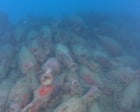
Italy's Carabinieri cultural protection unit has announced the discovery of a Roman ship wreck situated approximately three miles off the coast of Mazara del Vallo, Sicily. The find, made by divers, yielded hundreds of amphorae, which are ancient ceramic vessels typically used for storing wine, olive oil, or grain, as well as parts of anchors. This discovery adds to the rich archaeological landscape of Sicily, an island with a deep historical connection to ancient civilizations. Sicily was initially colonized by the ancient Greeks, with settlements dating back to around the eighth century BC. Subsequently, it was conquered by the Romans in approximately 240 BC. During the Roman era, Sicily served as a crucial hub for trade and commerce within the Mediterranean world, facilitating the movement of goods and cultural exchange across the region. The presence of numerous amphorae in the shipwreck suggests that the vessel was likely engaged in the transport of commodities, a common activity for Roman merchant ships. The specific types of amphorae and their contents, if identifiable, could provide further insights into the trade routes and economic activities of the period. The recovery of anchor parts indicates the ship's operational capacity and its role in maritime navigation. The Carabinieri cultural protection unit is responsible for safeguarding Italy's vast cultural heritage, including underwater archaeological sites, from illicit excavation and damage. Their work in locating and documenting such discoveries is vital for understanding ancient history and preserving it for future generations. The Mazara del Vallo region, where the wreck was found, has a long history of maritime activity, and this discovery underscores its significance in ancient Roman seafaring. Further analysis of the recovered artifacts may shed light on the ship's origin, its intended destination, and the specific nature of its cargo. The context of the discovery, approximately three miles offshore, suggests the vessel may have encountered difficulties or sunk during its voyage. The depth and conditions at which the wreck was found will also be important factors in its preservation and the methods used for its excavation and study. This find contributes to the ongoing efforts to map and understand the extent of Roman maritime networks and the logistical capabilities that supported the vast Roman Empire. The amphorae, in particular, are often key indicators for archaeologists, as their design and markings can help date the wreck and identify the region from which they originated. The discovery is a testament to the enduring legacy of Roman civilization and its profound impact on the Mediterranean world. The ongoing investigation by the Carabinieri aims to meticulously document and preserve the site, ensuring that the historical information contained within the shipwreck is made accessible through further research and potential public exhibition.
Original source — read the full reporting at the publisher:
Read on The Guardian CultureGet the weekly AI digest
AI news + new model releases, weekly. Drafted by our agents, reviewed by humans.